Revisiting Ted Factory’s Direction in the Agent Era

Revisiting Ted Factory’s Direction in the Agent Era#

2026-02-04

As a software engineer and an AI engineer, I often think about what I should care about in the long run, what goals I should set, and what kind of mindset I should live with. In times like these—when technology changes quickly—it’s natural for plans to shake. But just because it’s natural doesn’t mean I can brush it off lightly. When my direction shakes, my actions change, and when my actions change, the results change.

First Impressions of Claude Cowork: Bringing Agents to Non-Dev Work

First Impressions of Claude Cowork: Bringing Agents to Non-Dev Work#

2026-02-08

A feature called Claude Cowork has been released. (It’s been out for a while, but I only just got around to trying it.) I’ll ramble on a bit more below, but for those short on time, here’s a quick summary:

  • Think of Claude Cowork as Cursor for non-developers.
  • It can handle file management & referencing + plugin integration + MCP or Skill additions + web browser control.
  • I believe that workflows built around Claude Cowork (or similar services) will become mainstream before long.
  • That said, it’s still officially in a research preview stage and currently only available on macOS, so many people will need to wait a bit longer.

Background#

While working with Cursor (an AI-powered code editor), I started wondering whether the same approach could be applied to tasks beyond software development. However, since Cursor is inherently a software development tool, there was a real barrier to using it for non-dev work. So I had been quietly hoping that ChatGPT or Claude would release some kind of application better suited for non-development tasks—and it turns out Claude shipped a feature called Cowork first.

Installing and Analyzing OpenClaw: A New Standard for Personal AI Agents

Installing and Analyzing OpenClaw: A New Standard for Personal AI Agents#

Why Is OpenClaw So Hot Right Now?#

These days, it’s harder to find someone in the developer community who doesn’t know about OpenClaw than someone who does. It has surpassed 300,000 GitHub stars, and 2 million people visited in the first week alone. X (Twitter), Discord, Reddit—everywhere you look, it’s all about OpenClaw.

In a nutshell, OpenClaw is a personal AI agent platform that runs on your own machine. It started in November 2025 as a weekend project called “ClawdBot”, went through a trademark issue, passed through “Moltbot”, and settled on OpenClaw in January 2026. The meaning behind the name is simple: “Claw” represents the project’s lobster mascot (🦞), and “Open” stands for open source and community-driven development.

Harness Engineering — A Practical Guide to Safe AI Agent Operations

Harness Engineering — A Practical Guide to Safe AI Agent Operations#

2026-04-04

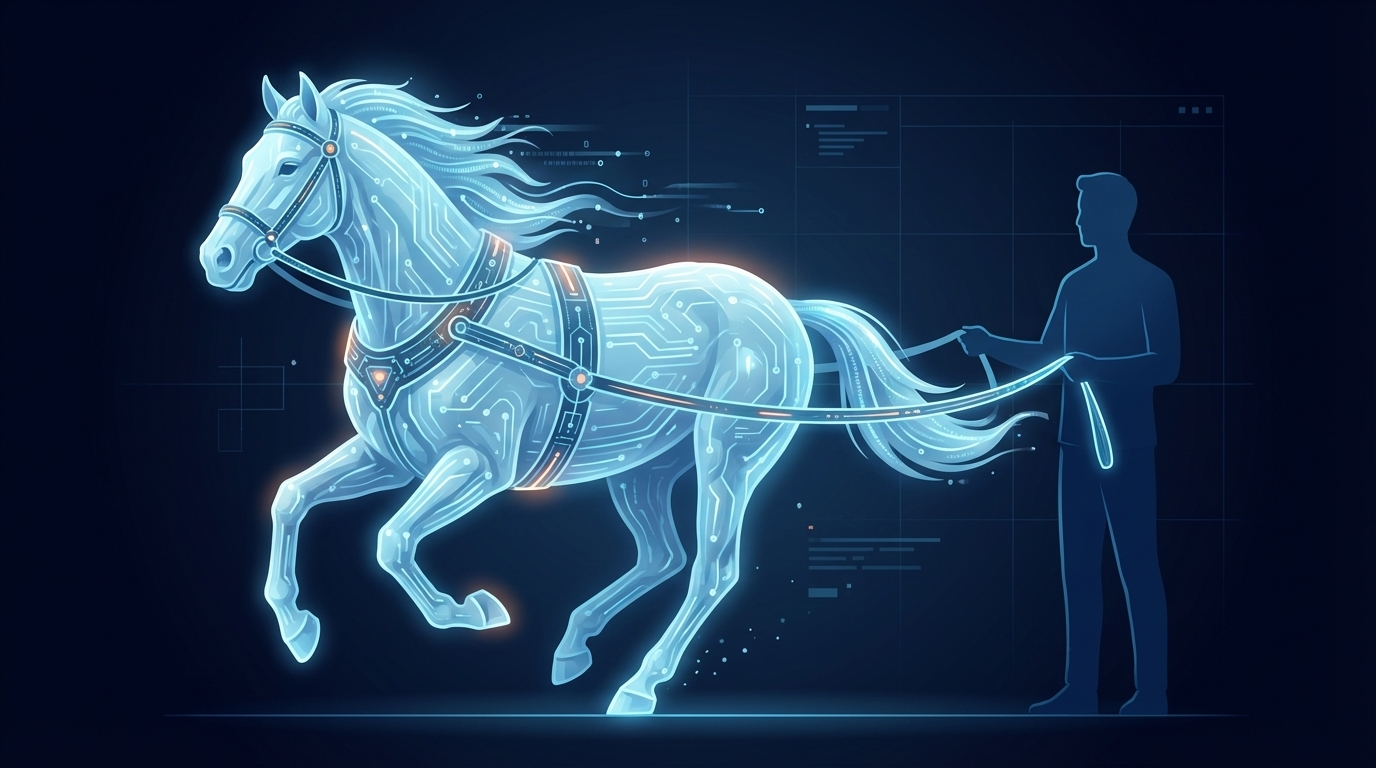
Harness Engineering

Why I Wrote This#

I actively use AI agents (Cursor, Claude Code, etc.) across multiple projects. At first, having an agent write code was impressive enough on its own. But as I integrated them more deeply into real projects, I kept running into recurring problems.

  • Every time I open a new session, the agent forgets the project conventions
  • It repeats the same mistakes today that we already solved yesterday
  • The quality of agent-generated code fluctuates wildly between sessions
  • When managing multiple projects, I have to repeat the same setup for each one

The root cause of these problems wasn’t a lack of agent intelligence — it was that the environment surrounding the agent was not properly set up. As 2026 arrived, this concern spread across the industry and began to be systematized under the name “harness engineering.”

Hermes Agent — Is It the Luxury Brand of AI Agents? A First Impression

Hermes Agent — Is It the Luxury Brand of AI Agents? A First Impression#

2026-04-19

Hermes Agent — Is it the luxury brand of AI agents?

Introduction#

Lately I’ve been hearing a lot about Hermes Agent. The most compelling example came directly from a teammate. They told me they had already connected Hermes to our company Slack and built an environment where the team could handle data lookups, task requests, and Q&A with a simple @Hermes message. That was enough to make me want to understand it properly, so I spent a single day doing all three of the following:

I Decided to Call Them Harness Skills — Breaking the Illusion of Doing Well and Opening Up My Harness

I Decided to Call Them Harness Skills — Breaking the Illusion of Doing Well and Opening Up My Harness#

2026-06-08

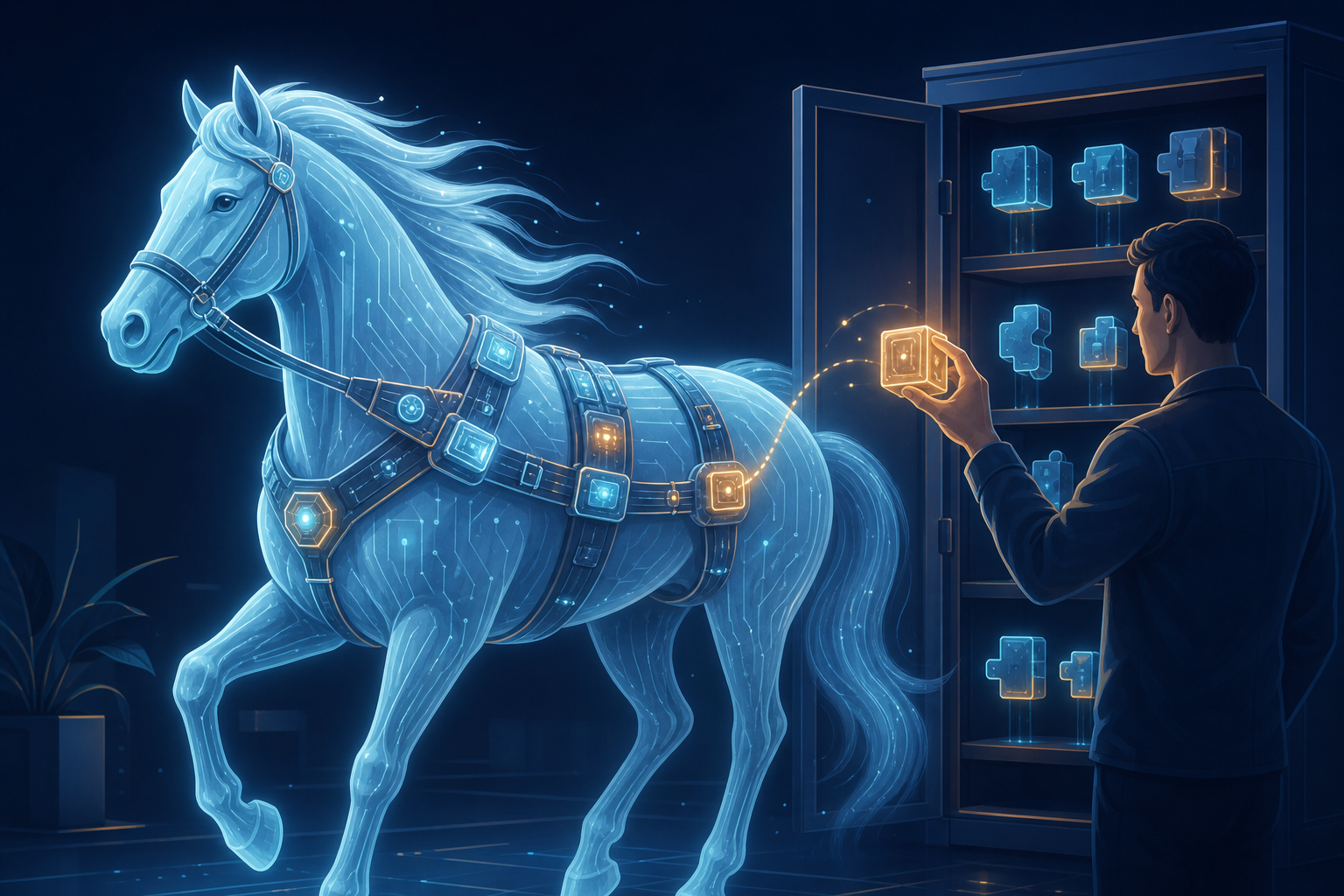
Harness Skills — selectively absorbing external skills into your own harness

Facing Things Without a Name#

When I first saw something called LLM Wiki, and then GStack, the first thing that came to mind was surprisingly: “What should I even call these?”

It was clear that both were means for handling AI agents better. From the perspective of harness engineering — the discipline of designing infrastructure to operate AI agents safely and reliably, which I covered in an earlier piece — these were obviously “tools you reach for when building a harness.”

© 2026 Ted Kim. All Rights Reserved. | Email Contact