Key AI Concepts (4): Agents and Harnesses

Key AI Concepts (4): Agents and Harnesses#
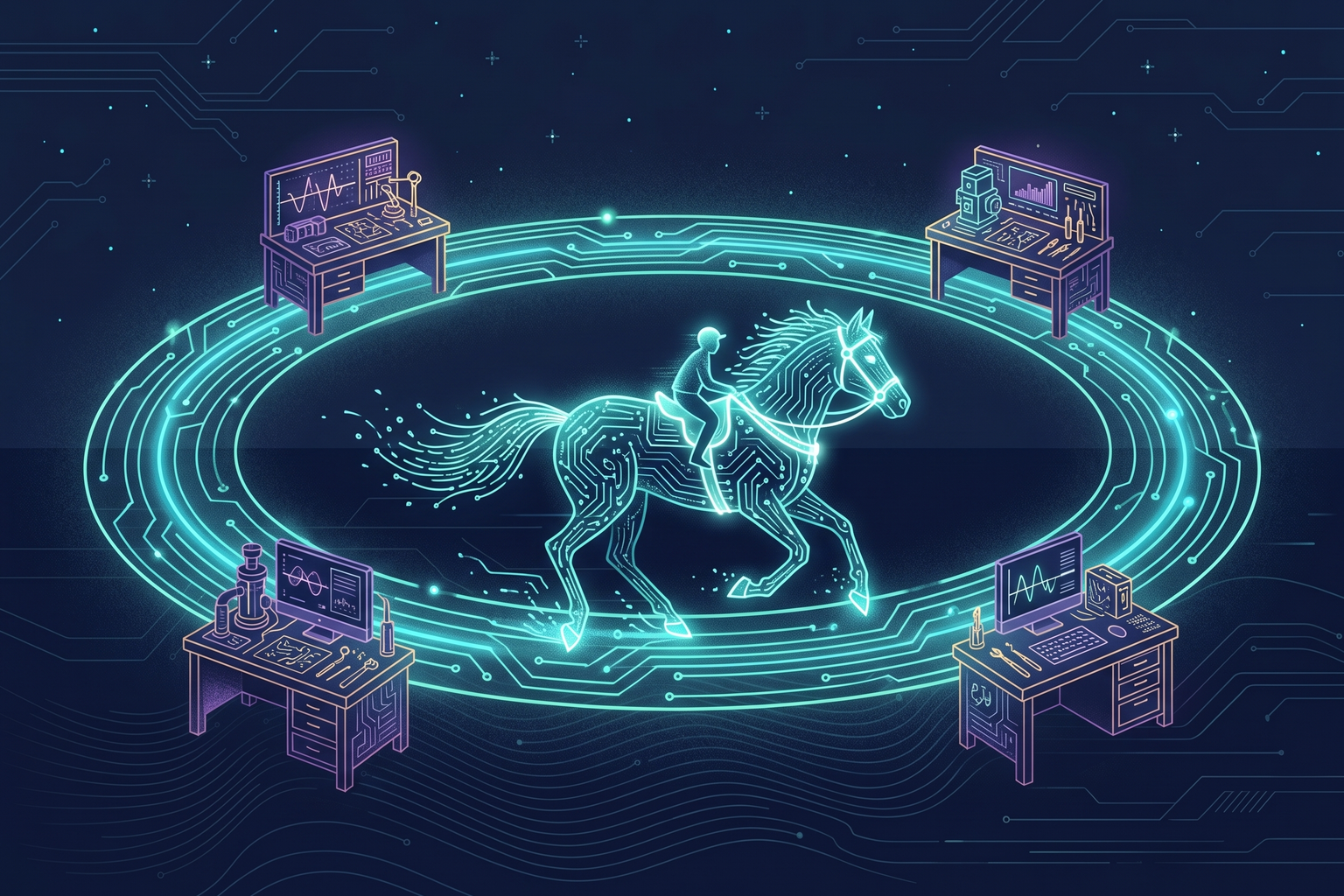
A horse made of light, wearing a harness, circling a round track that links four workbenches

The previous three chapters covered LLMs, tool connections (RAG / Function Calling / MCP), and how to design instructions and context. This chapter binds those ingredients together into “a structure that pushes the work through to the end once a person gives it a goal”: the agent. It also makes the case that for an agent to be genuinely usable, the model’s intelligence alone is not enough; it needs the environment surrounding the model, the harness. This is the most important chapter in the book, and almost everything in the Execution section starts from here.
Execution (6): Dividing Work Solo — When a Person Becomes the Scheduler

Execution (6): Dividing Work Solo — When a Person Becomes the Scheduler#

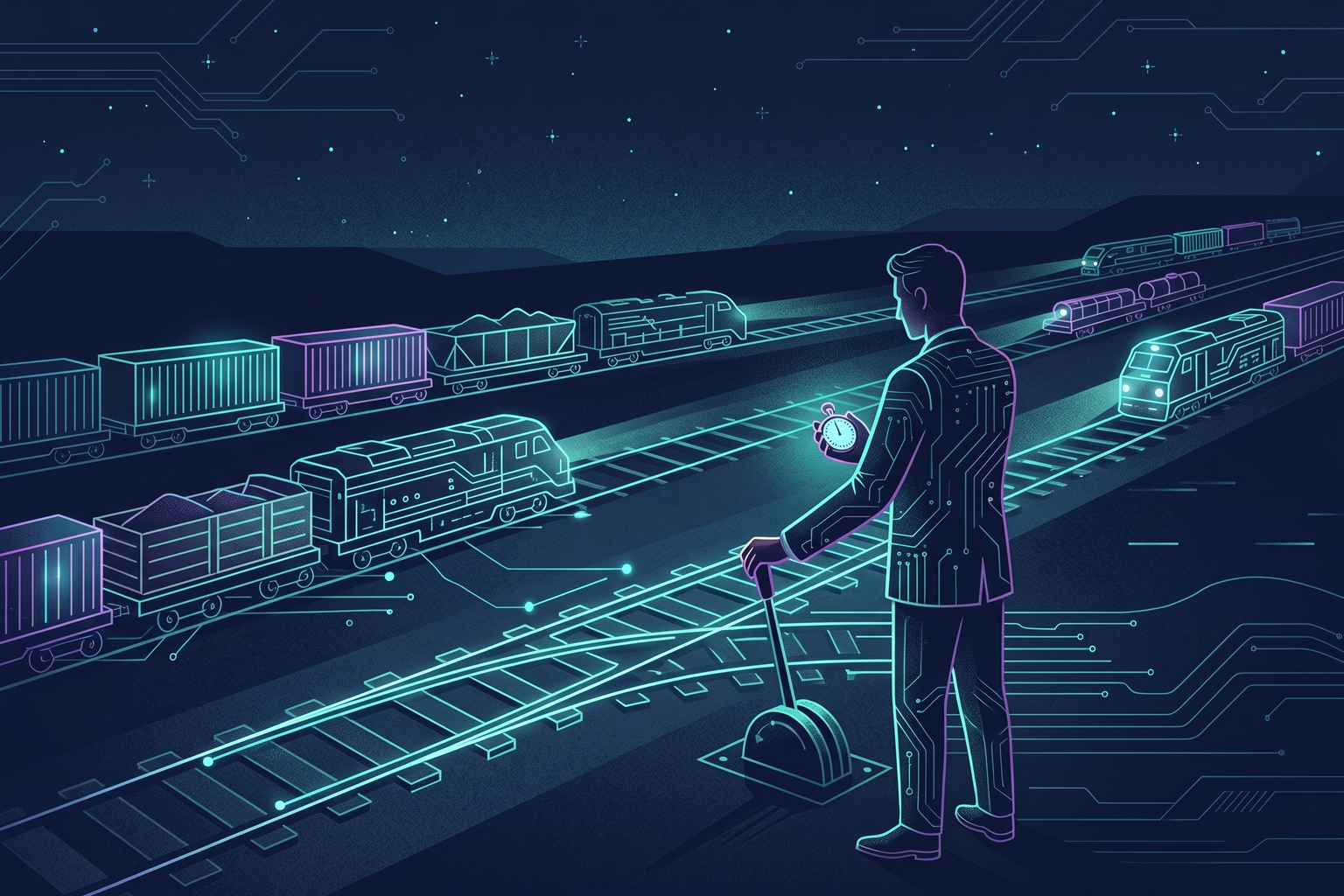
A lone person directing trains on multiple tracks in a railway yard at night, holding a lever and a pocket watch

The last chapter of the Execution section is about people, not technology. If you pick the idea, build the product with agents, add AI features, operate it, and promote it all by yourself, what does that “yourself” look like over a day? The introduction said that the “one” in a one-person startup is an organization of one decision-maker and several agent workers. This chapter is about how the human side of that organization should work. It is what I found when I investigated the causes of the fatigue I felt while working with several agents at once, and the rules I actually adopted.

© 2026 Ted Kim. All Rights Reserved. | Email Contact