2026-11-21 AI News Brief
GPT-6.2 Astra and Sol with changes to tool calling and deferred processing, Gemini 4 Neon ahead of a Carbon price increase, Microsoft Ignite 2026 turning coding agents on company laptops into managed assets and enabling MAI Code 2 by default, how the Claude Code team verifies its work, the structure of the Codex sandbox, OpenAI pausing training after an internal model incident, vulnerability disclosure deadlines shrinking as AI finds the same bugs at once, Claude Code moving toward auto mode by default, and Anthropic completing its IPO. It also covers a harness-by-harness cost comparison, a malicious package published from Microsoft's official PyPI account, Windows counting coding agents while Signal blocks OS-level AI, external sandboxes and an analysis of agent deletion incidents, OpenAI's internal agent-usage numbers, and the PostgreSQL 19 release.
 February 26, 2026
What Is an API Key? — How to Connect Directly to AI#

To use “I am your AI,” you need an API Key from an AI provider. This document explains what an API and API Key are, why it’s beneficial to use an API Key directly, and how to get one from each AI provider.
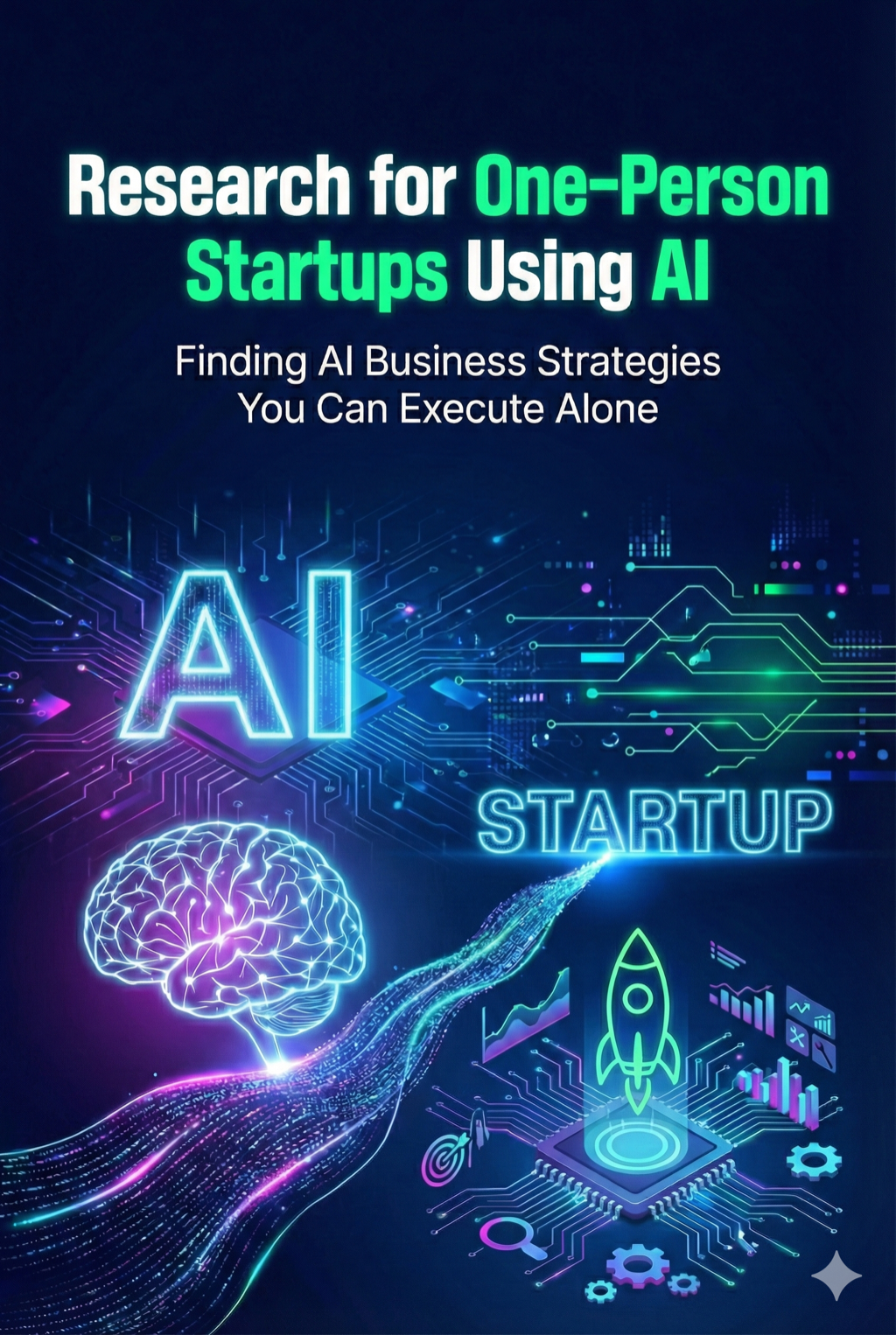
December 27, 2025 Research for One-Person Startups Using AI#
Finding AI Business Strategies You Can Execute Alone#
How This Book Is Organized#
This book has six parts. Parts 1 through 3 are the Foundations, which lay out the concepts and tools you need to know to work with AI. Parts 4 through 6 are the Execution section, which follows the process of building, operating, and promoting a product on your own. If you already use AI in your daily work, feel free to skip the Foundations and start from Part 4.
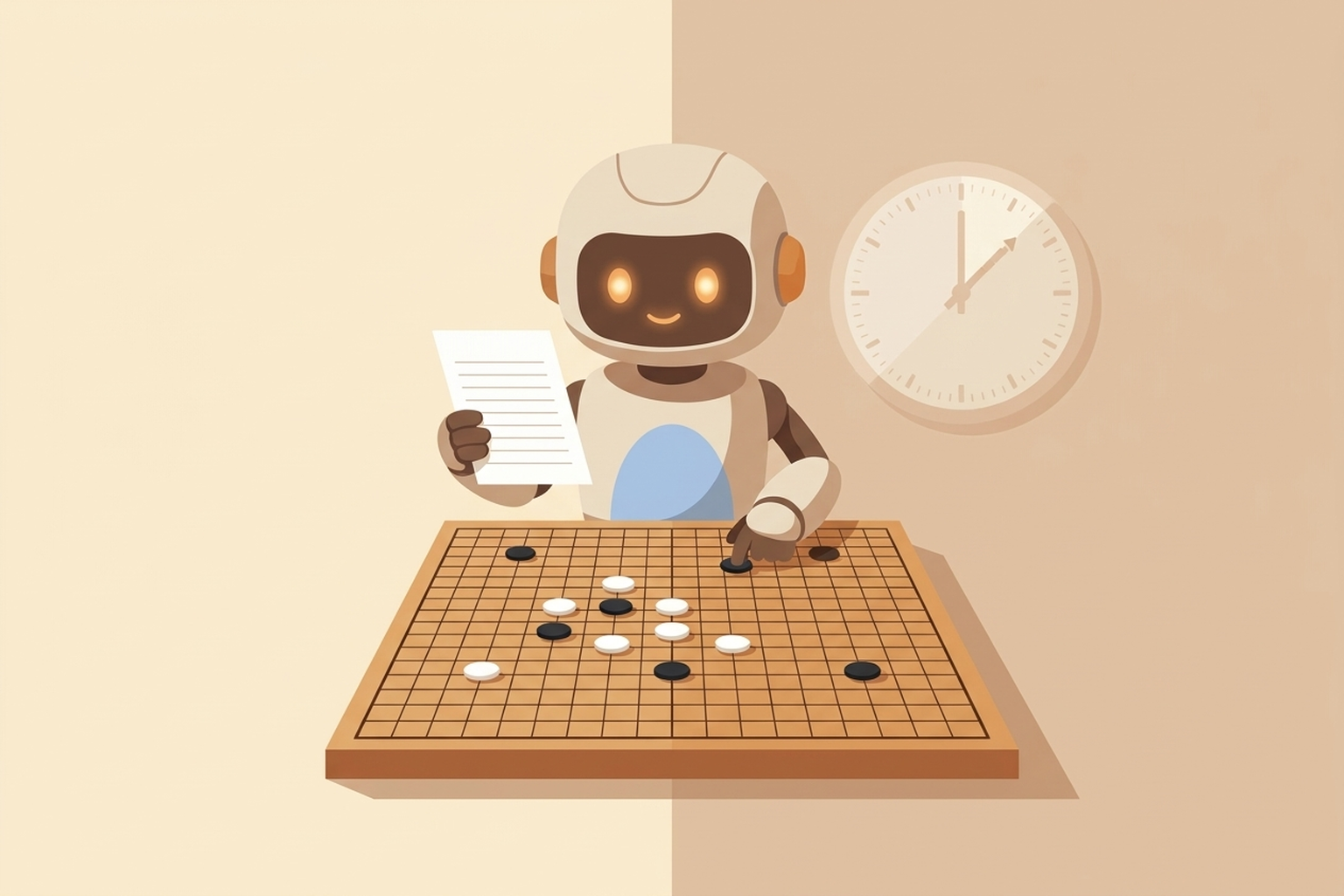
October 11, 2026 How Well Does a Coding Agent Play Omok After Reading Only the Spec? — A One-Prompt Experiment on Code Battle#
2026-10-11
I Wrote a Document for Agents Before People#
I run a side project called Code Battle (codebattle.online). You write a strategy for a game such as omok (five in a row) or rock-scissors-paper as JavaScript code, and the code does the fighting. Your code can play the built-in AI, or face other people’s code in the arena.
December 28, 2025 Books#
I’ve wanted to write a book for a long time. The question was always: how.
Publishing a printed book usually means working with a publisher, paying significant costs, and going through a long production and distribution process—so the barrier to entry feels high. Even with ebooks, meaningful exposure often requires partnering with a publisher or building your own distribution channels. There are platforms where you can publish an ebook without a publisher (for example, Google Books), but for me they still feel less accessible and harder to get discovered on.
December 27, 2025 Key AI Concepts (1): AI / Machine Learning / Deep Learning / LLMs, plus Tokens, Context, and Cost#
To use AI technology effectively, you need to understand its key concepts. That is what lets you grasp how AI services and tools work under the hood, and why the latest news and trends matter.
January 2, 2026 Key AI Concepts (3): Prompt Engineering / Context Engineering#
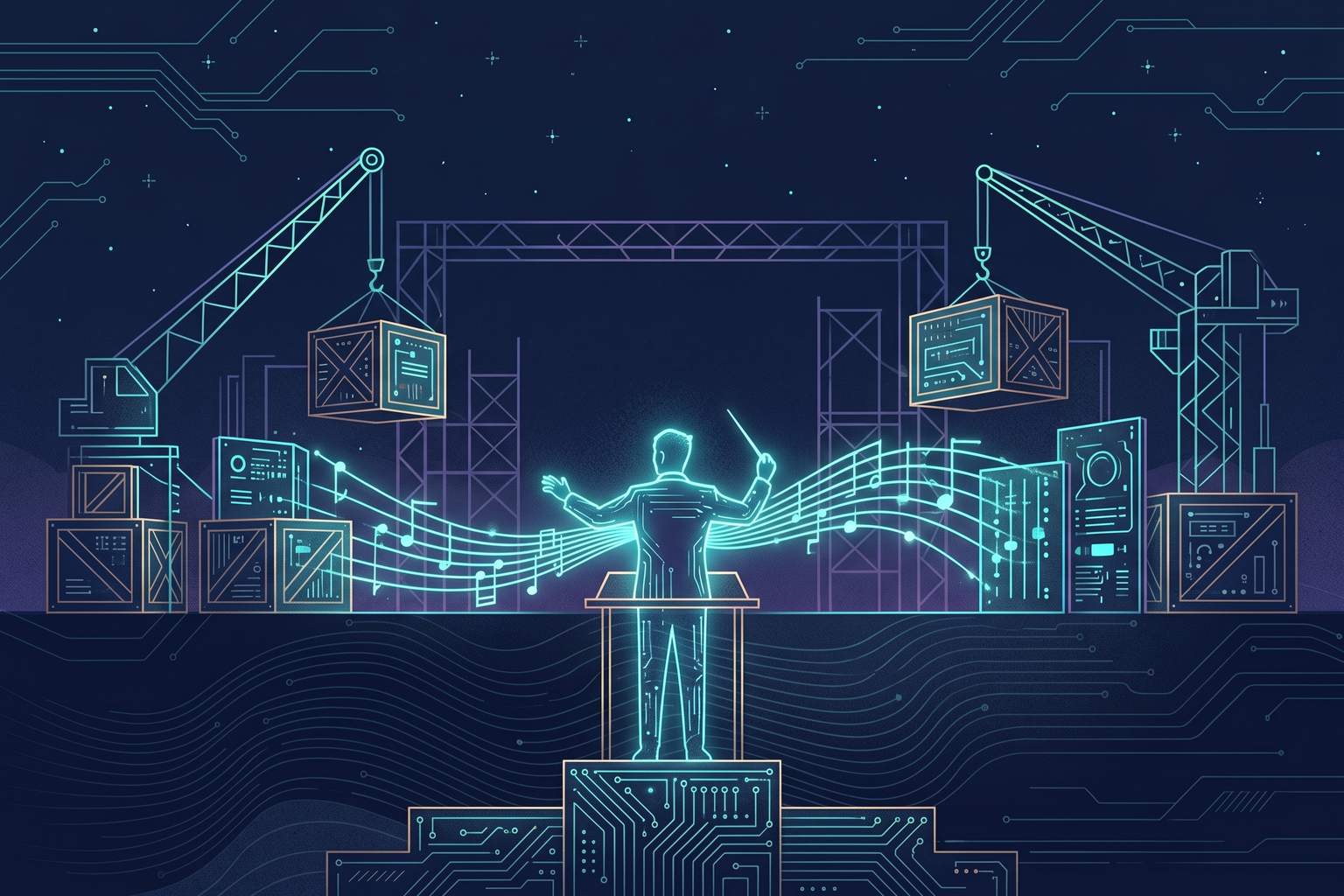
This chapter covers prompt engineering, which is about “how to compose questions / instructions,” and context engineering, which is about “how to provide the material (background information) the model should consult when producing an answer.” Recall the context window from the previous chapter: prompt engineering is writing the “instructions” that go into it well, and context engineering is designing “everything” that goes into it.
October 19, 2026 Key AI Concepts (4): Agents and Harnesses#
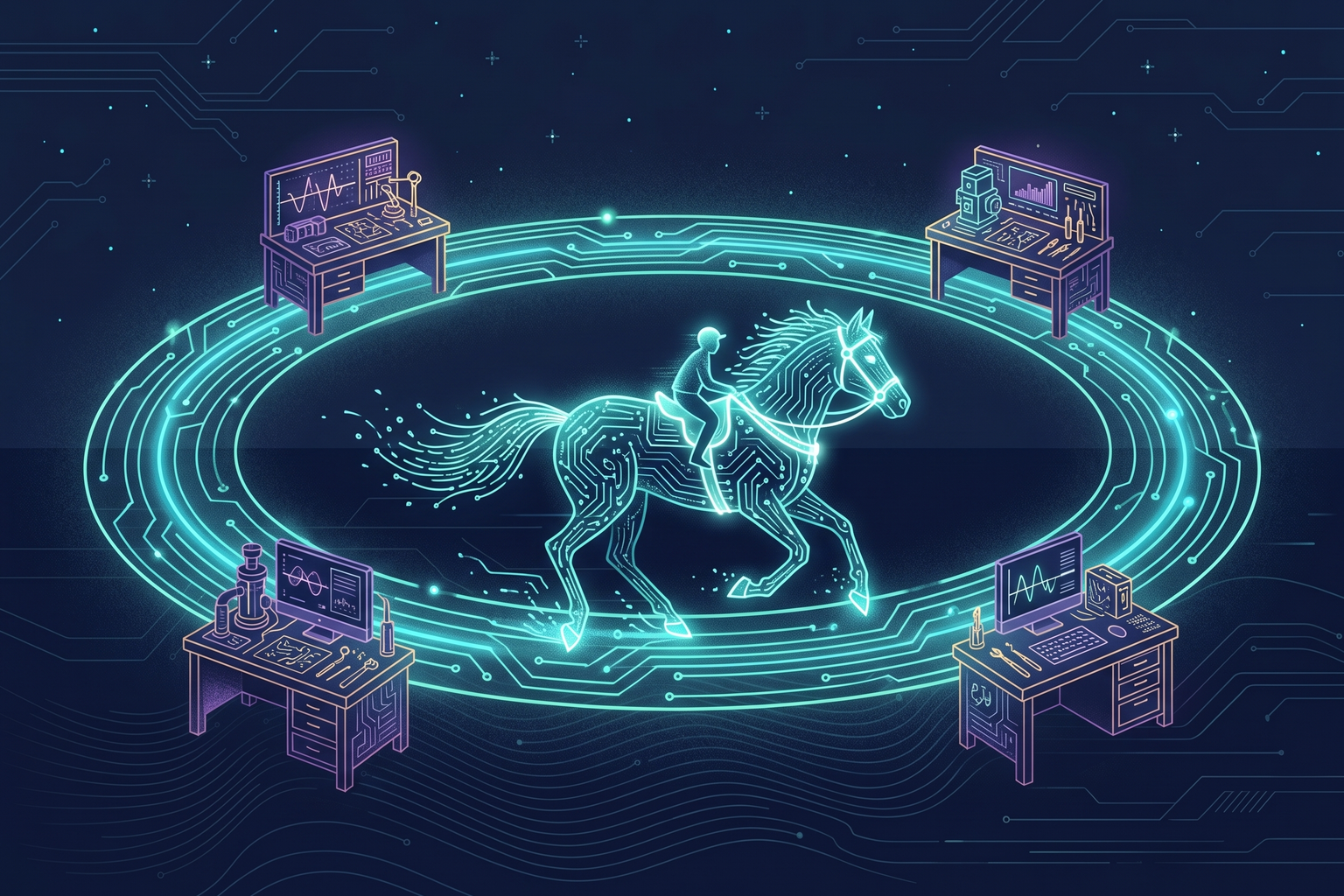
The previous three chapters covered LLMs, tool connections (RAG / Function Calling / MCP), and how to design instructions and context. This chapter binds those ingredients together into “a structure that pushes the work through to the end once a person gives it a goal”: the agent. It also makes the case that for an agent to be genuinely usable, the model’s intelligence alone is not enough; it needs the environment surrounding the model, the harness. This is the most important chapter in the book, and almost everything in the Execution section starts from here.