2026-11-07 AI News Brief

AI News Brief 2026-11-07
Git Rebuilt for Agents, GPT-6 Cyber, Google on Agent Distraction#

A roundup of AI technology news worth checking today, alongside changes in developer tools, open source, infrastructure, and organizations in the AI era. This brief covers news published from October 31 to November 7.

The theme of this period is the moving bottleneck: as agents write code faster, several companies published pieces in the same week showing that the choke point has moved outside the model: to source repositories, to stale traces left in codebases, and to the time of the humans who fix bugs. The item I found most practical is the third in Top Stories, and if you run a public repository, please check the seventh before December. There was no major developer event in this period.
2026-11-14 AI News Brief

AI News Brief 2026-11-14
Claude Fable 5.2, Gemini 4 Hydrogen, Agent-Built AWS Emulator#

This brief gathers AI technology news worth checking today, along with changes in developer tools, open source, infrastructure, and organizations in the AI era. It covers news published from November 7 to November 14.

The keyword for this period is verification. Several companies published, in the same week, how they replace a human reading every line of agent output with tests, merge gates, formal proofs, and solvers, and other posts showed what happens when those safeguards are missing. The items I found most practical are the third and sixth entries under Top News. Microsoft Ignite takes place next week, so it will be covered in the next brief.

2026-11-21 AI News Brief

AI News Brief 2026-11-21
GPT-6.2 Astra, Microsoft Ignite 2026, Shorter Disclosure Deadlines#

This brief gathers AI technology news worth checking today, along with changes in developer tools, open source, infrastructure, and organizations in the AI era. It covers news published from November 14 to November 21.

The keyword for this period is boundary: how far an agent can reach, and who draws and watches that line. Alongside new models, the same week brought a cluster of news that redraws the line, from sandboxes and permission defaults to company device management and vulnerability disclosure deadlines. Microsoft Ignite is split across the third and fourth entries under Top News, and the items I found most practical are the fifth and ninth.

LLM Wiki, Opened Up — The 'Automatic Memory' Myth and a Schema That's Just a Few Lines

LLM Wiki, Opened Up — The ‘Automatic Memory’ Myth and a Schema That’s Just a Few Lines#

2026-06-28

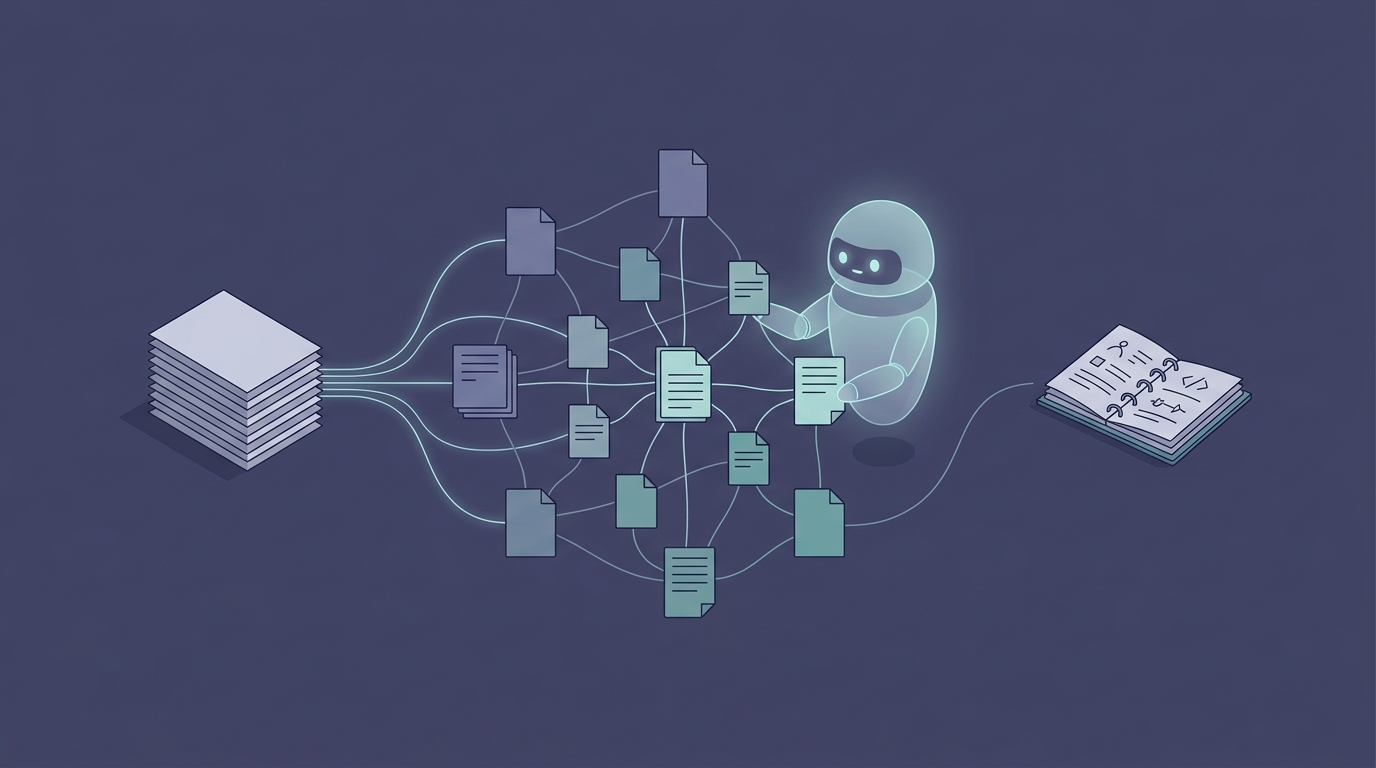
Opening up LLM Wiki and applying it to my repository

In my previous post, I Decided to Call Them Harness Skills, I resolved to open the door I’d kept shut and examine external, battle-tested patterns one by one. I wrote that I’d start absorbing the least invasive ones first. The very first target was LLM Wiki. This post is the actual follow-through on that resolution. I applied something I only knew conceptually to a real repository, and in the process I corrected two misconceptions.

An AI Tools Knowledge Map — Lining Up the Materials for Process-Improvement Consulting

An AI Tools Knowledge Map — Lining Up the Materials for Process-Improvement Consulting#

2026-06-14

AI tools knowledge map — a map of tools connected by category

Introduction#

For a while now, the author has felt a vague thirst. New AI tools pour out every week, yet I have not been able to lay out, on a single page in my head, “what tools exist, what each one is, and when and in what combination they are best used.” I use individual tools, but I had never placed them on a map and looked at them together.

I Decided to Call Them Harness Skills — Breaking the Illusion of Doing Well and Opening Up My Harness

I Decided to Call Them Harness Skills — Breaking the Illusion of Doing Well and Opening Up My Harness#

2026-06-08

Harness Skills — selectively absorbing external skills into your own harness

Facing Things Without a Name#

When I first saw something called LLM Wiki, and then GStack, the first thing that came to mind was surprisingly: “What should I even call these?”

It was clear that both were means for handling AI agents better. From the perspective of harness engineering — the discipline of designing infrastructure to operate AI agents safely and reliably, which I covered in an earlier piece — these were obviously “tools you reach for when building a harness.”

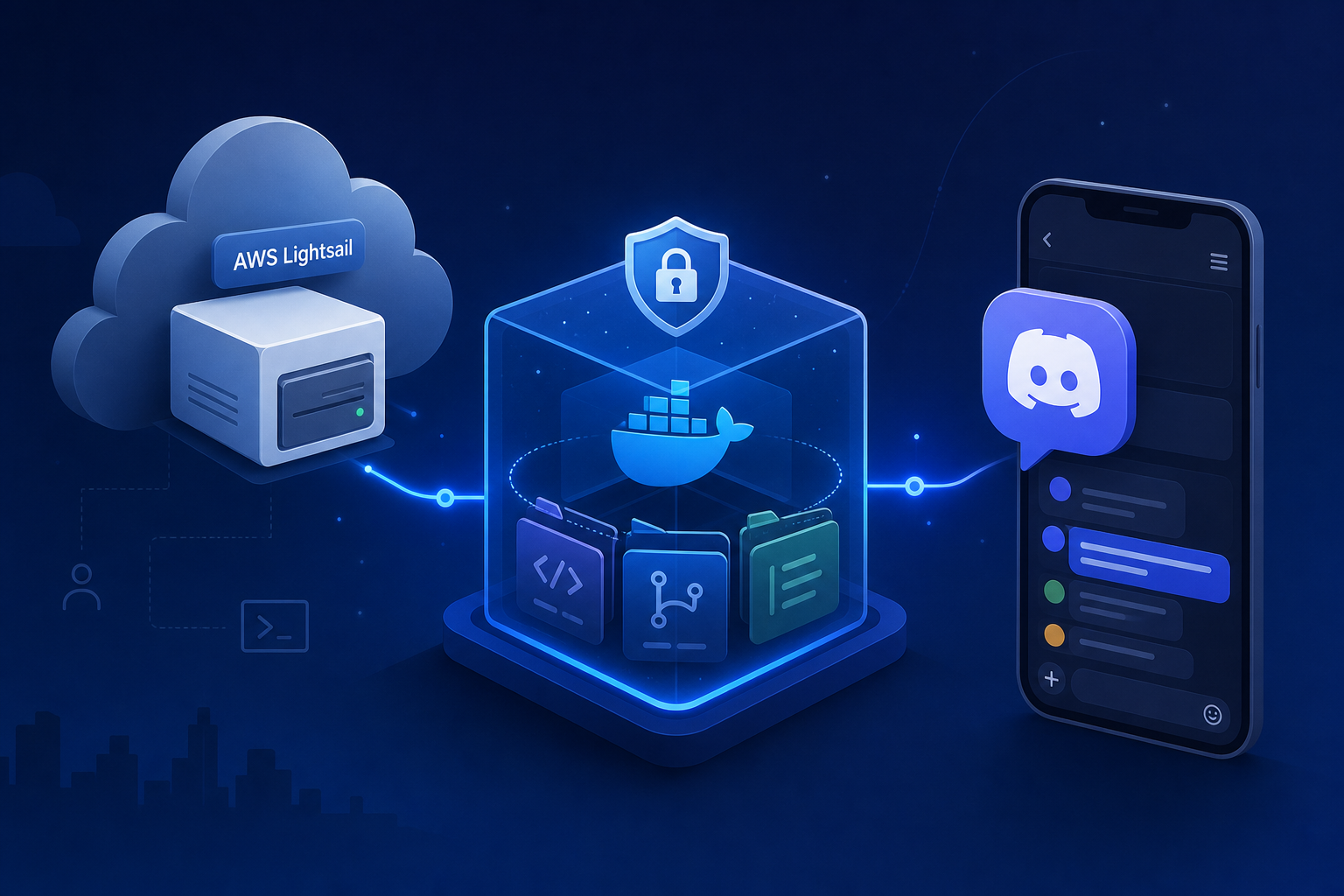
An Agent That Keeps Working After the Laptop Closes: Remote Development with Lightsail, Hermes, and Discord

An Agent That Keeps Working After the Laptop Closes: Remote Development with Lightsail, Hermes, and Discord#

2026-06-01

A remote Hermes development environment connected through Lightsail, Docker sandbox, and Discord

The Problem Started When I Closed the Laptop#

For a while, I used Hermes Agent installed directly on my local laptop. The experience was fast and intuitive: open a repository, edit files, run tests, and keep the agent close to the development environment.

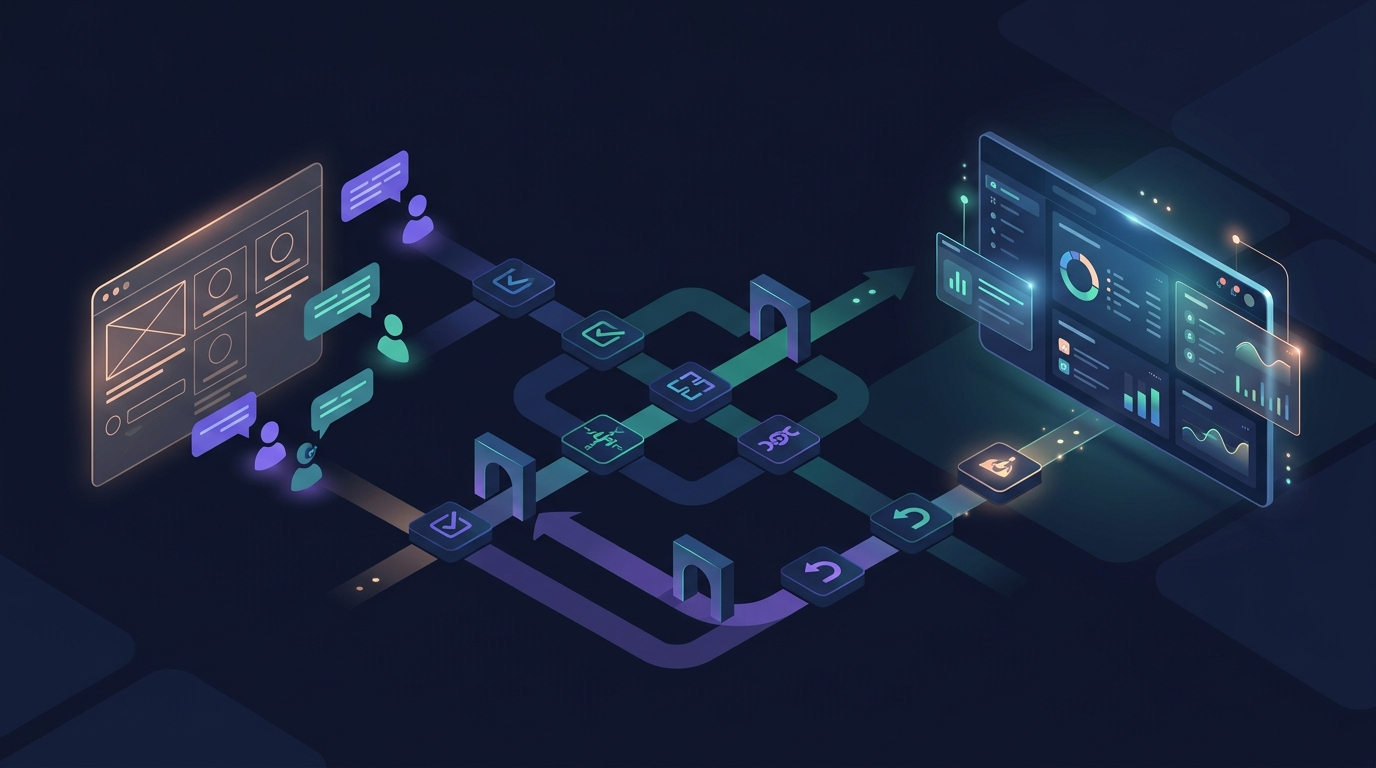
How Product Development Processes Should Change in the Age of AI Agents

How Product Development Processes Should Change in the Age of AI Agents#

2026-05-10

Product development with AI agents and harnesses

Work processes inside companies are changing quickly as AI agents enter daily operations. The company I work at is a technology-driven advertising operations company, broadly divided into an advertising operations organization and a product development organization.

The advertising operations organization manages advertising campaigns on behalf of clients. Recently, this group moved toward a GitHub-based workflow where advertising guidelines, skills, and brand data are organized as projects, and operators work conversationally with AI agents such as Claude Code or Hermes. This transition was accepted relatively naturally.

Hermes Agent — Is It the Luxury Brand of AI Agents? A First Impression

Hermes Agent — Is It the Luxury Brand of AI Agents? A First Impression#

2026-04-19

Hermes Agent — Is it the luxury brand of AI agents?

Introduction#

Lately I’ve been hearing a lot about Hermes Agent. The most compelling example came directly from a teammate. They told me they had already connected Hermes to our company Slack and built an environment where the team could handle data lookups, task requests, and Q&A with a simple @Hermes message. That was enough to make me want to understand it properly, so I spent a single day doing all three of the following:

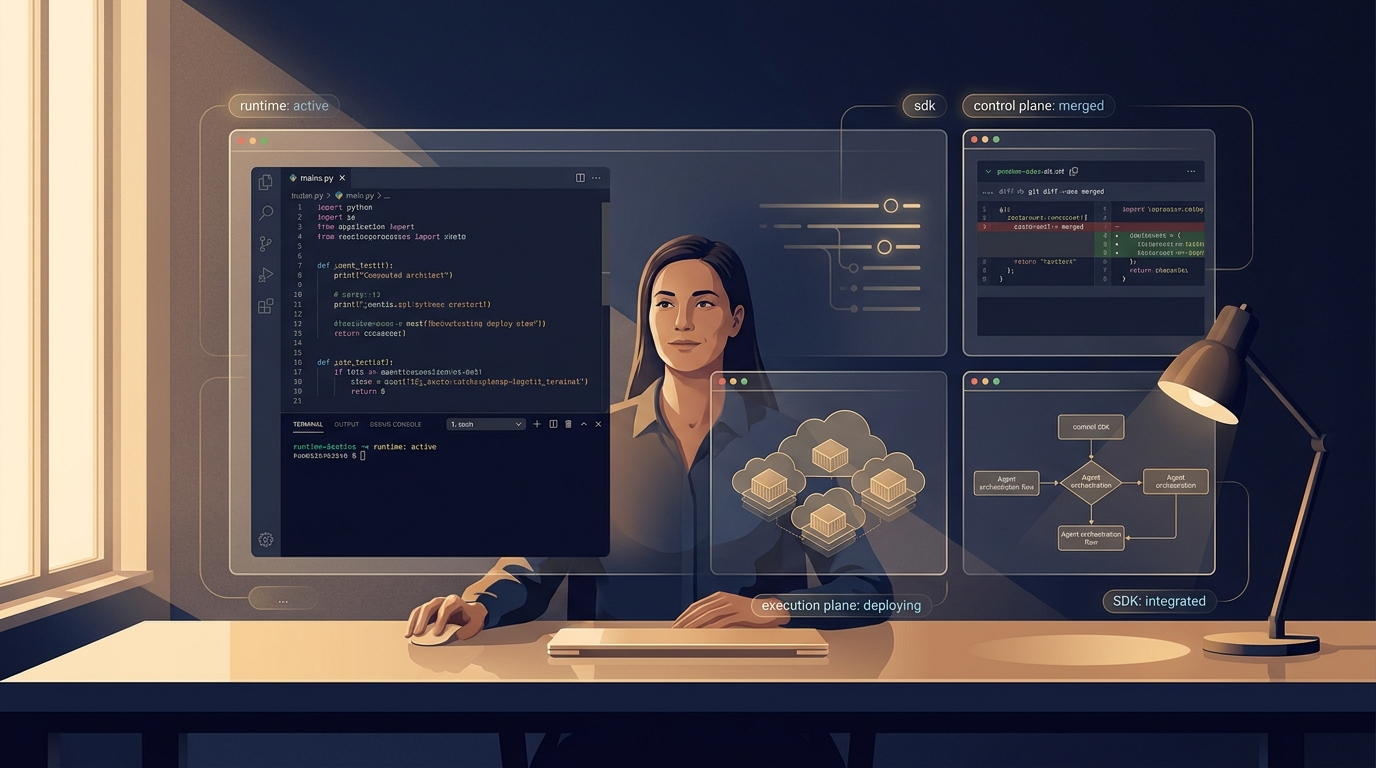
How to Add Coding Runtimes to an AI Agent Web Service

How to Add Coding Runtimes to an AI Agent Web Service#

2026-04-19

Cover for coding runtime strategy in an AI agent web service

When you start designing or building an AI agent web service, one question shows up surprisingly early:

“If these agents are supposed to do real work, where does their coding ability actually come from?”

At first, it is tempting to think the answer is straightforward. Call a strong model API, add file editing, let it run shell commands, execute tests, and package the results. But once you look more closely, the problem expands fast.

© 2026 Ted Kim. All Rights Reserved. | Email Contact