Essays#
This is the place within Notes for reflections, opinions, observations, retrospectives, and direction-setting posts.
- Commentary on events and things I notice
- Notes on direction (blog, work, life)
- From short reflections to longer essays
 January 25, 2026
This is the place within Notes for reflections, opinions, observations, retrospectives, and direction-setting posts.
July 25, 20262026-07-25
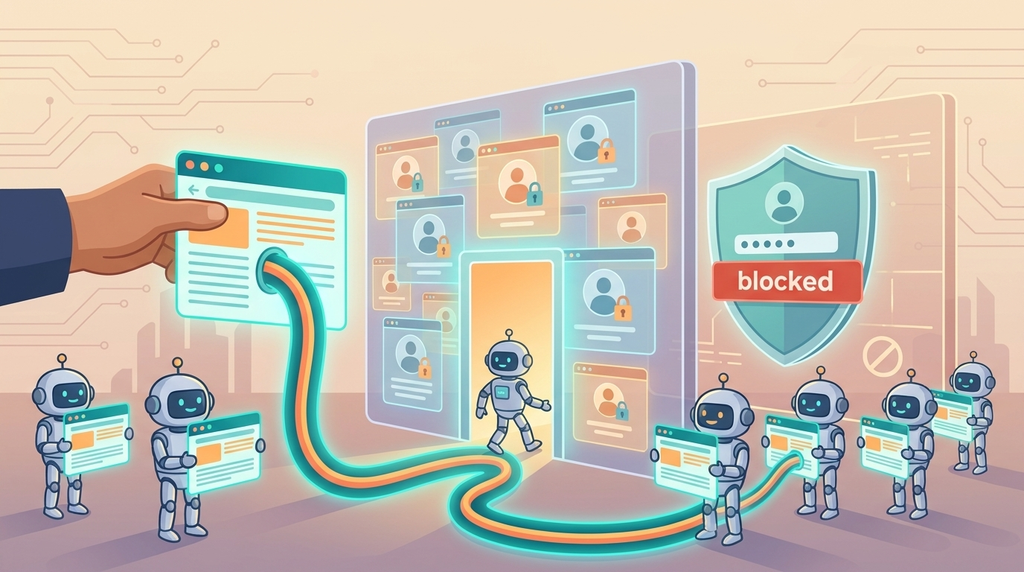
One principle I hold onto when delegating work to coding agents: if the agent changed the code, the agent should verify the result itself. For a web project, that means opening a browser and looking at the screen. For this I use MCP (Model Context Protocol, the standard for connecting external tools to agents) servers such as chrome-devtools-mcp and Playwright MCP. The agent launches Chrome, opens pages, clicks around, takes screenshots, and validates its own work.
July 19, 20262026-07-19
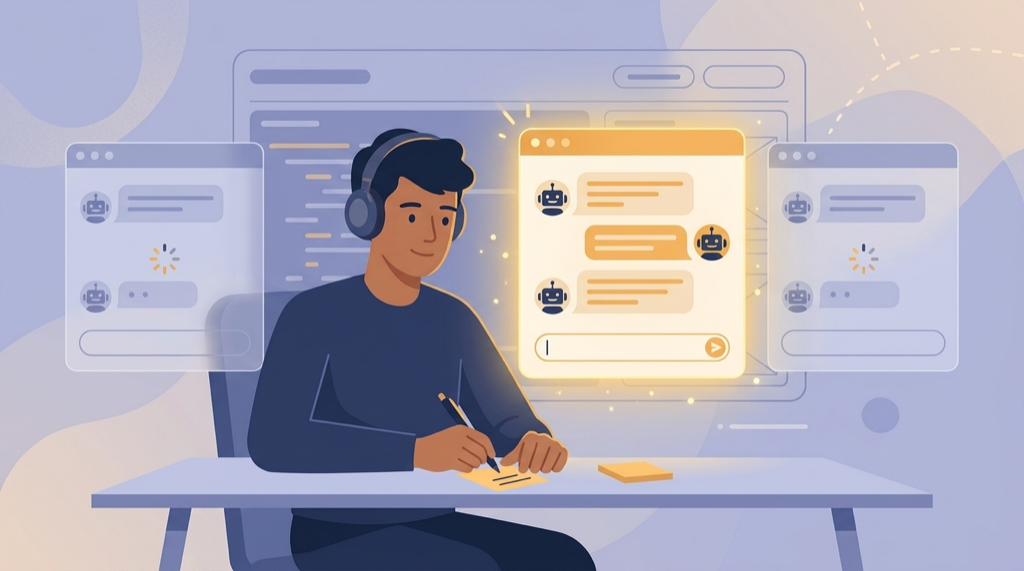
Now that AI agents carry out the final execution of work, people can run several tasks at once. And yet lately I have been feeling a strange kind of fatigue. Working with two or three agents in parallel, my hands are not particularly busy — but my head keeps spinning without traction. Every time a response notification arrives, I switch straight to that session to check it, and the result is a scattered mind and, if anything, worse overall performance.
July 17, 20262026-07-17
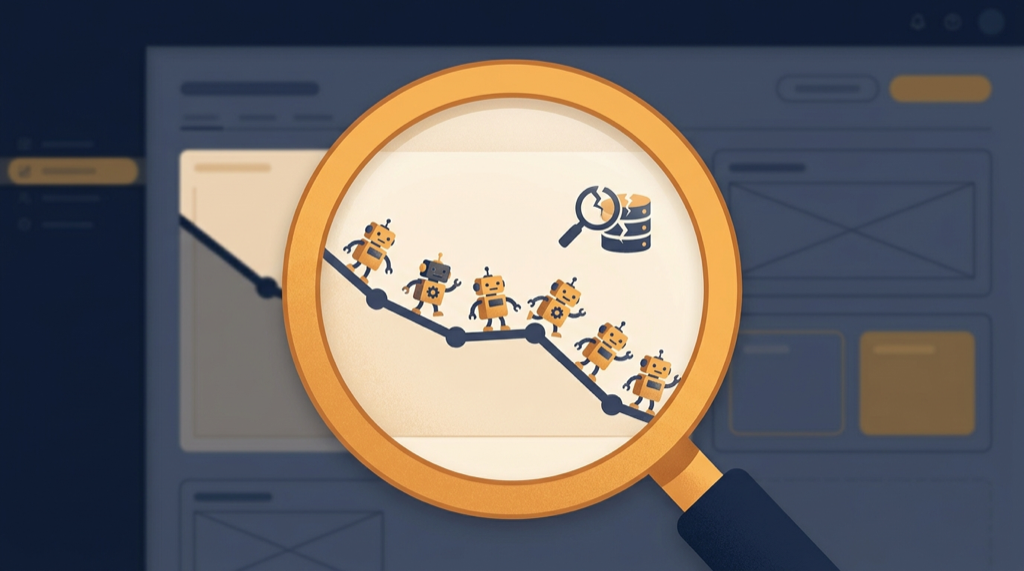
The active-user graph in GA (Google Analytics) was falling fast. Few charts sink a blogger’s heart quite like that one. Were readers leaving? Had the domain migration gone wrong? Was something broken in the setup? I handed the whole investigation over to Claude Code, and the results were quite different from what I expected. Most of the crash turned out to be an illusion — while the real problem was quietly unfolding somewhere else entirely.
July 3, 20262026-07-03
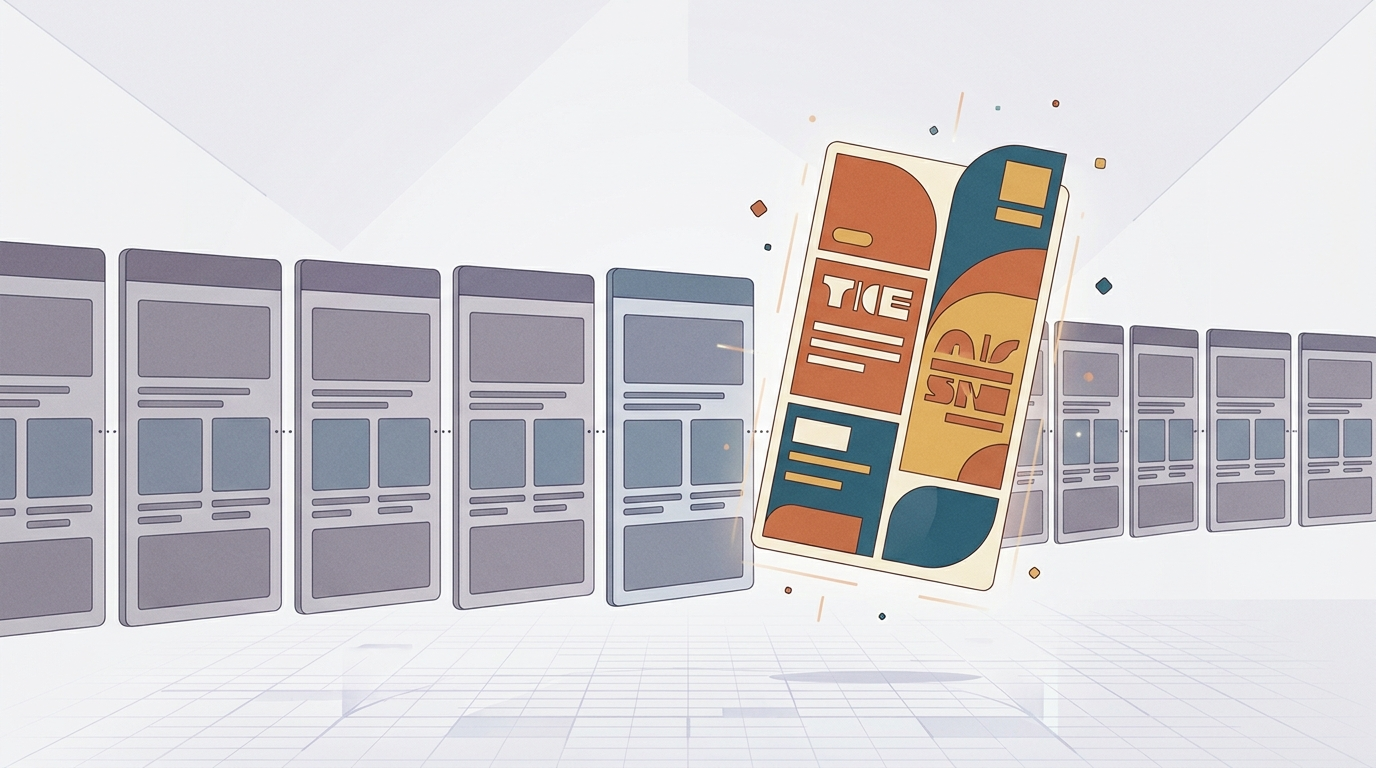
Ask a coding agent like Claude Code to design a web service and you get a reasonably decent result. Yet something feels off. The designs look vaguely familiar, similar to one another, and slightly unpolished in the details. While producing design drafts for an ongoing project, I went looking for ways to fix this, surveyed the available skills, MCP servers, and harness guidelines one by one, and settled on a final design stack. This essay documents that research and the decisions behind it.
June 28, 20262026-06-28
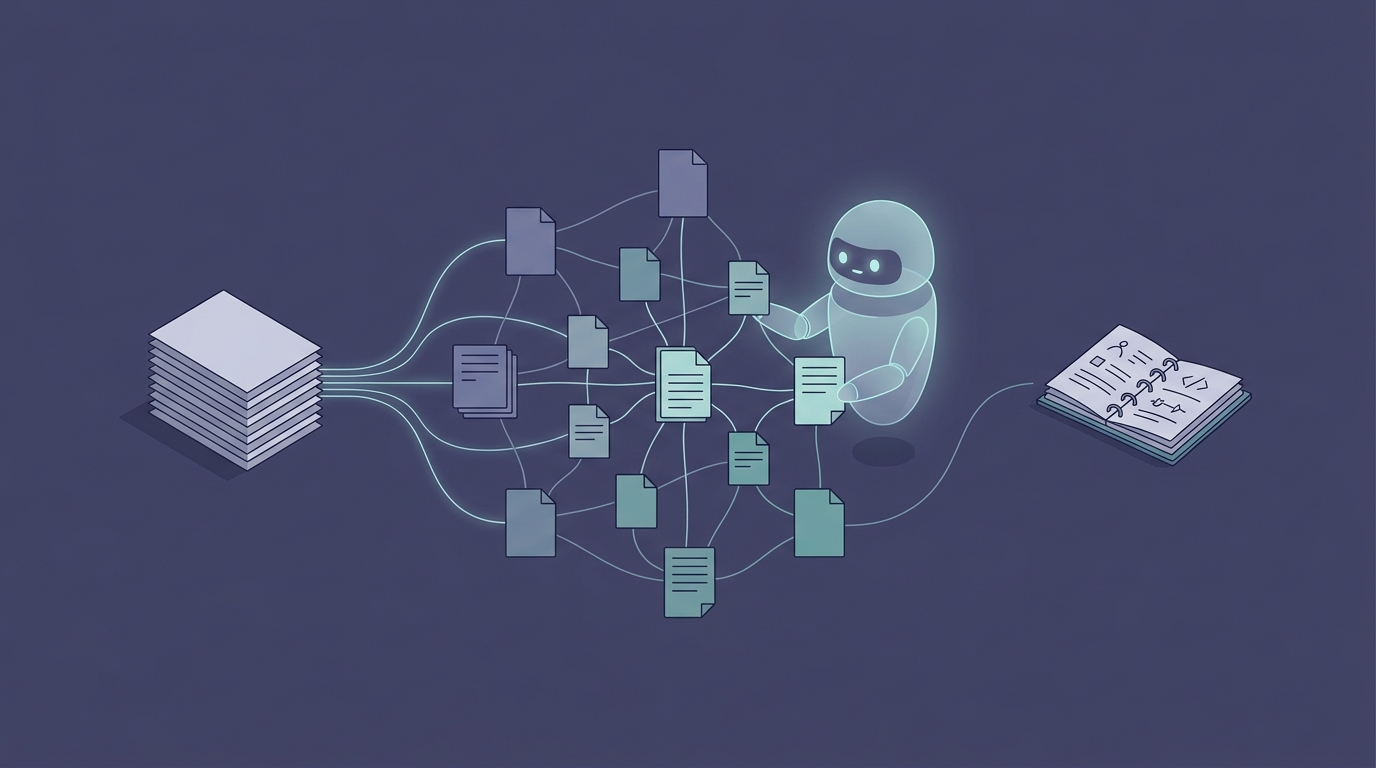
In my previous post, I Decided to Call Them Harness Skills, I resolved to open the door I’d kept shut and examine external, battle-tested patterns one by one. I wrote that I’d start absorbing the least invasive ones first. The very first target was LLM Wiki. This post is the actual follow-through on that resolution. I applied something I only knew conceptually to a real repository, and in the process I corrected two misconceptions.
June 28, 20262026-06-28
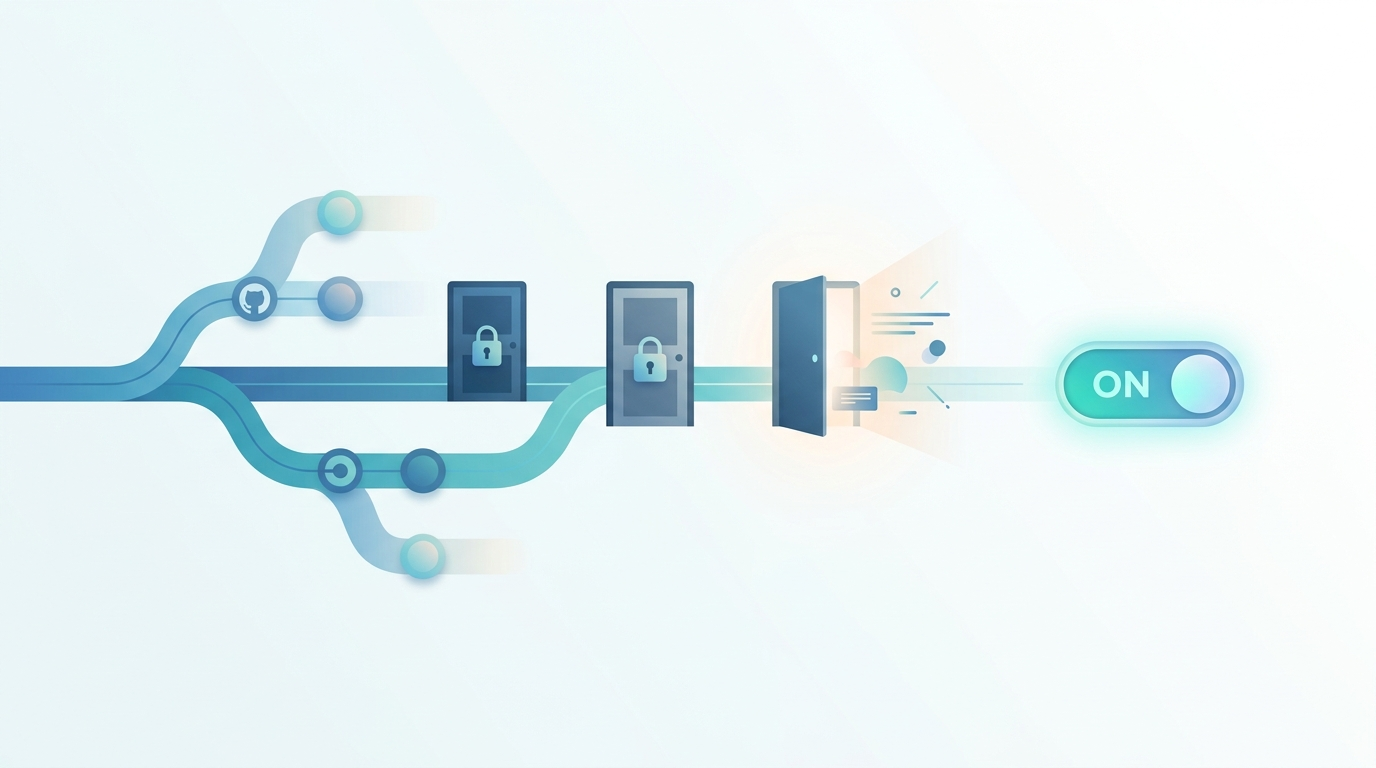
We once ran an experiment on one of our company’s web service repositories. Instead of the traditional process where each collaborator creates a working branch and opens a PR (Pull Request, the unit by which a change is reviewed before being merged into the main branch), everyone pushed directly to the default branch (develop).
June 14, 20262026-06-14
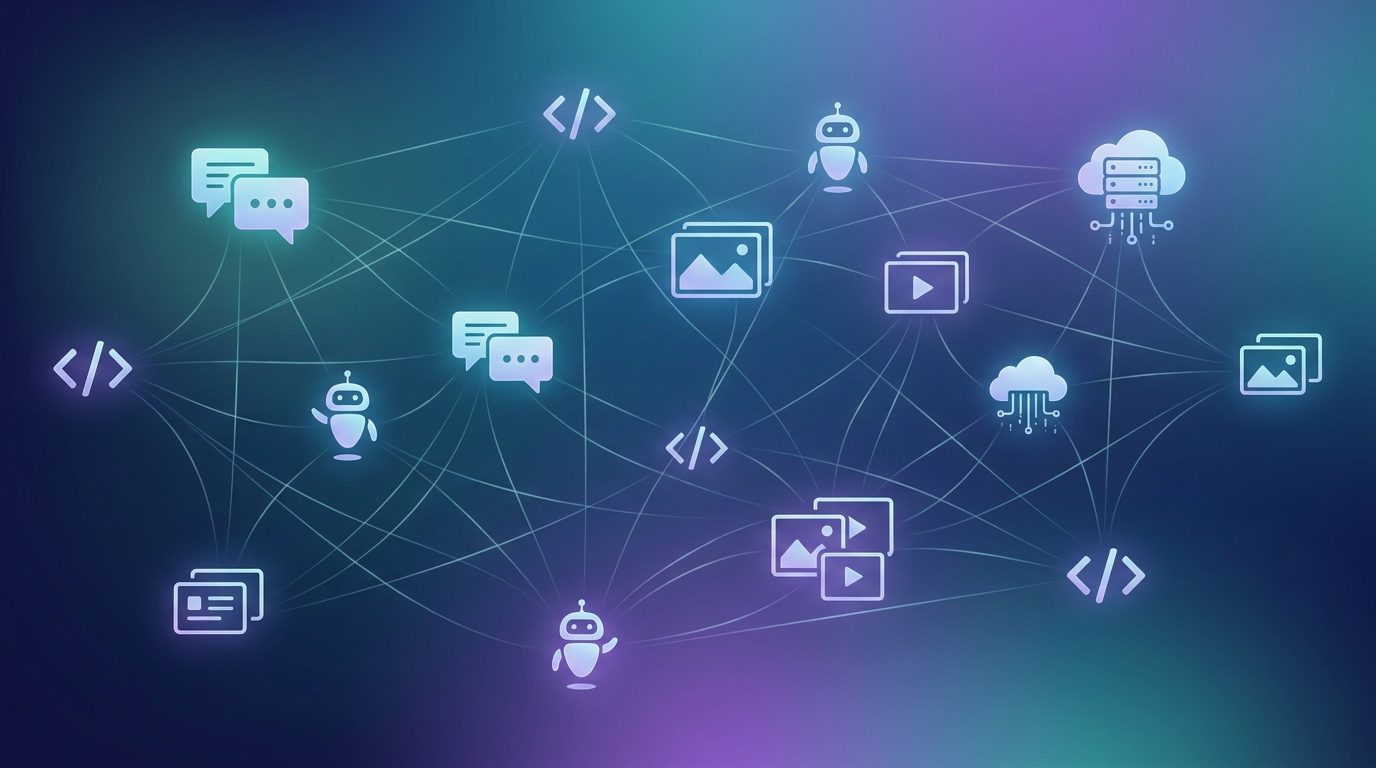
For a while now, the author has felt a vague thirst. New AI tools pour out every week, yet I have not been able to lay out, on a single page in my head, “what tools exist, what each one is, and when and in what combination they are best used.” I use individual tools, but I had never placed them on a map and looked at them together.
June 8, 20262026-06-08

When I first saw something called LLM Wiki, and then GStack, the first thing that came to mind was surprisingly: “What should I even call these?”
It was clear that both were means for handling AI agents better. From the perspective of harness engineering — the discipline of designing infrastructure to operate AI agents safely and reliably, which I covered in an earlier piece — these were obviously “tools you reach for when building a harness.”
May 10, 20262026-05-10
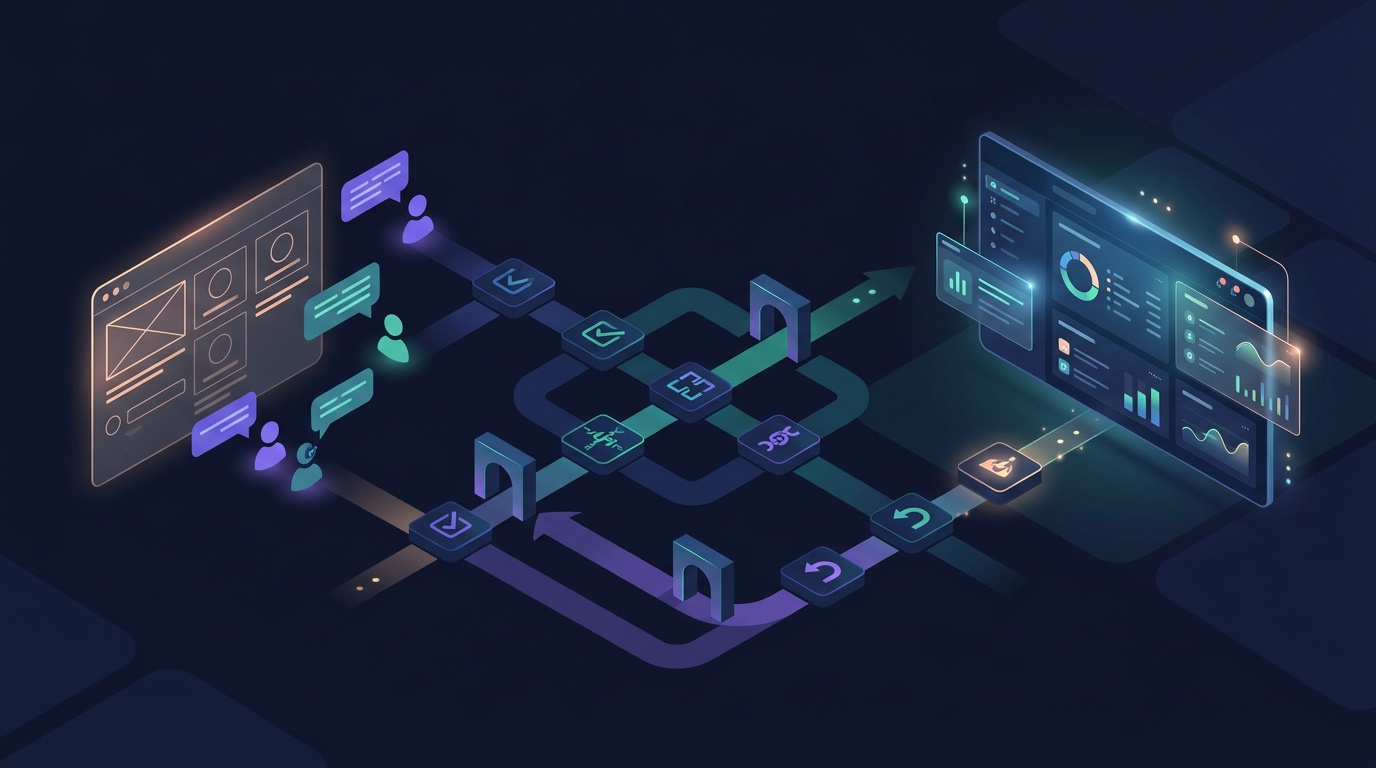
Work processes inside companies are changing quickly as AI agents enter daily operations. The company I work at is a technology-driven advertising operations company, broadly divided into an advertising operations organization and a product development organization.
The advertising operations organization manages advertising campaigns on behalf of clients. Recently, this group moved toward a GitHub-based workflow where advertising guidelines, skills, and brand data are organized as projects, and operators work conversationally with AI agents such as Claude Code or Hermes. This transition was accepted relatively naturally.