I Was Collecting Token-Saving Tips, Then I Opened My Logs and Changed the Order

I Was Collecting Token-Saving Tips, Then I Opened My Logs and Changed the Order#

2026-10-25
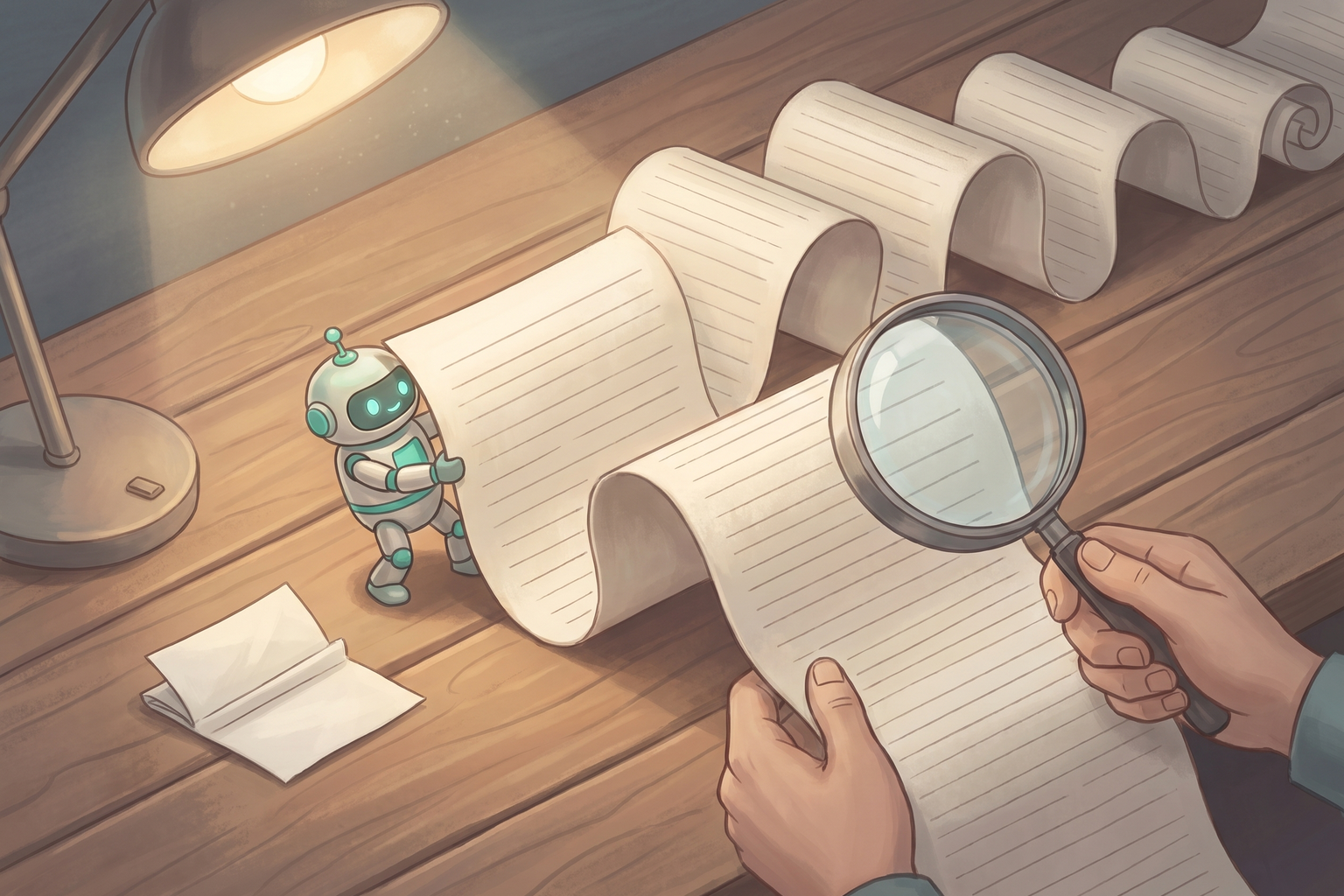
On a wooden desk under a lamp, a small robot strains to push an endless paper scroll, a person’s hand examines the scroll through a magnifying glass, and a small folded note sits beside the robot

Plenty of tips, but where to start?#

Token consumption is one of the most common topics among people who use coding agents like Claude Code and Codex. As people hit their subscription limits early or see API bills grow beyond expectations, articles on how to save tokens keep piling up. I use both tools every day, so I went looking for these articles too.

Taking the Design Instead of Buying the Reviewer — Claude Code Review and the PR Agent I Built Myself

Taking the Design Instead of Buying the Reviewer — Claude Code Review and the PR Agent I Built Myself#

2026-10-25

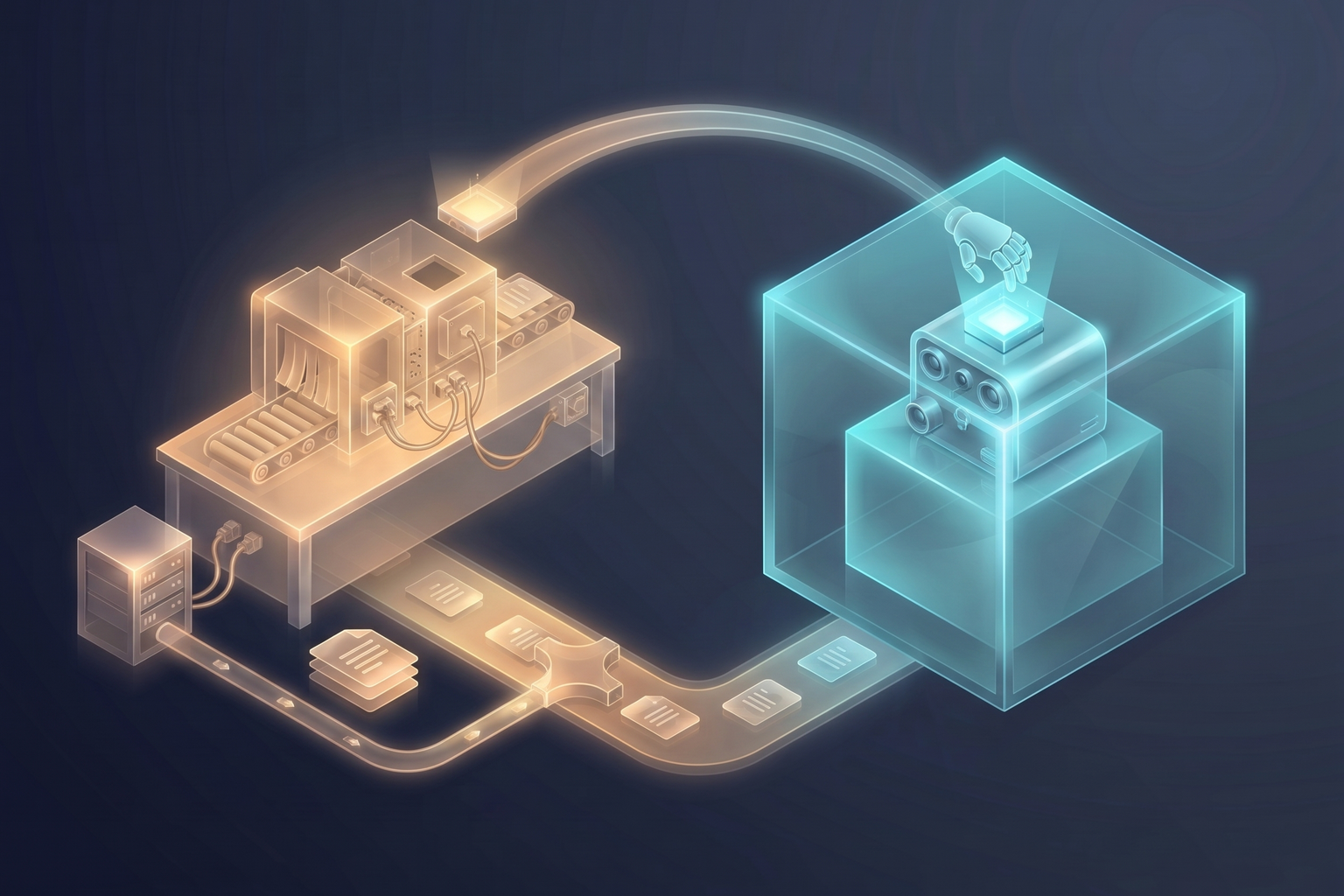
A glowing part is lifted out of a finished review machine inside a glass showcase on the right and carried along a trail of light to a hand-assembled conveyor machine on a workbench on the left

Two Stories from the News Brief#

Last week, while putting together the AI news brief, I covered two code review stories side by side. One was a post from Anthropic’s Claude Code team about how they redesigned code review in their own repository, along with the general availability of Claude Code Review, the public version of that reviewer. The other was GitHub adding several security mechanisms to the PR (pull request, a request to merge a code change) process.

The Sandbox I Turned Off Because It Got in the Way — Rethinking Agent Isolation Before Turning It Back On

The Sandbox I Turned Off Because It Got in the Way — Rethinking Agent Isolation Before Turning It Back On#

2026-10-18

A small robot works inside a large glass dome on a wooden desk. Only a few thin metal pipes enter the dome through opened valves, and outside the dome a person rests a hand on an open notebook, watching

A sandbox I turned off on purpose#

I have been running Claude Code with its sandbox turned off, doing most of my work in bypass permission mode, which allows every tool call without an approval prompt. It was not that I didn’t know about the sandbox. I had it on, found it getting in the way, and decided to accept some security risk for the sake of speed. In exchange, I figured that if I read the agent’s responses carefully within each session, I could avoid creating a problem.

What Is 72.4% a Score Of? — How to Read LLM Benchmarks

What Is 72.4% a Score Of? — How to Read LLM Benchmarks#

2026-10-18

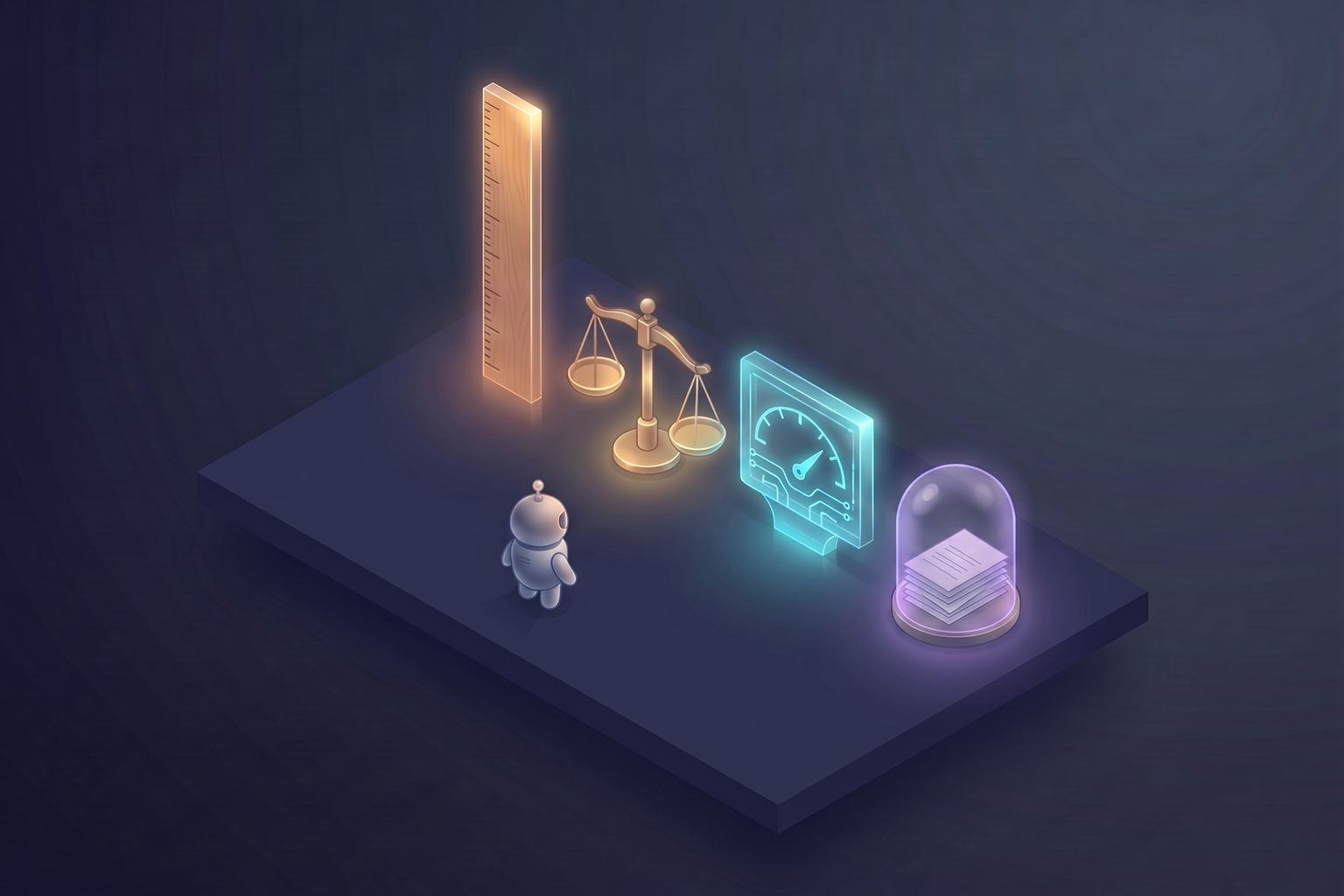
A small robot stands in front of four different measuring instruments, a tall wooden ruler, a balance scale, a needle gauge, and a stack of exam papers under a glass dome, each glowing in a different color

A number I copied#

In last week’s 2026-10-11 AI news brief, I introduced Claude Haiku 5.5 with this sentence: “On OSWorld 2.1 (offline subset), which measures how well a model operates a computer, it scores 72.4%, far above Haiku 4.5’s 15.7%,” followed by “on the terminal-task evaluation Terminal-Bench 4.0 it scores 39.2%.” Rereading the brief, I realized I had never properly studied either benchmark. I had copied the numbers without knowing what they measured.

Why Is No One Building the Dream Coding Agent?

Why Is No One Building the Dream Coding Agent?#

2026-10-18

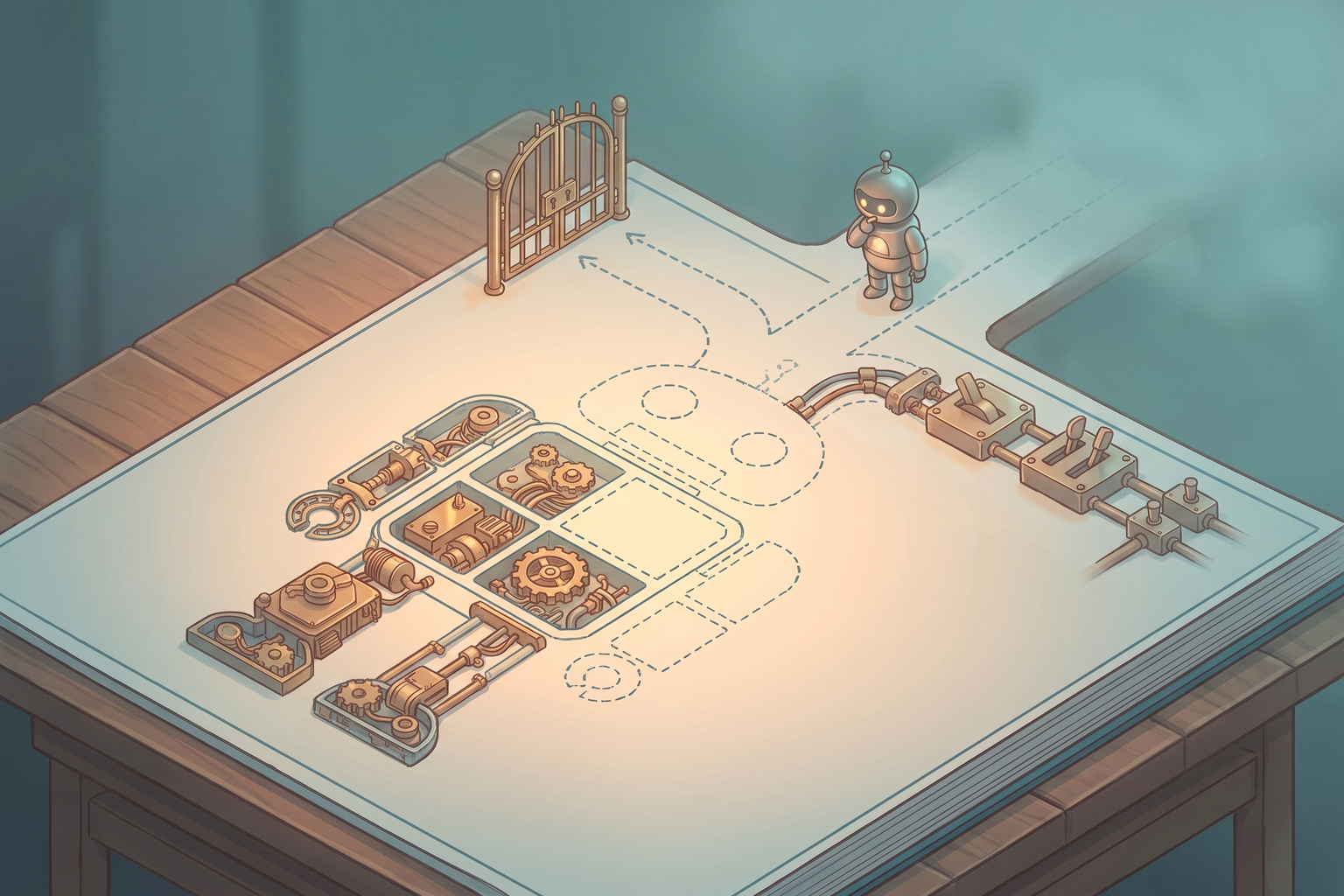
On a workbench, the outline of a robot drawn on a blueprint has only some of its compartments filled with real parts; from the empty compartments three paths branch out, one lined with switches, one blocked by a closed gate, and one fading into fog, while a small robot looks at the fork

Lynch’s Complaints Are Mine Too#

On October 9, 2026, Michael Lynch published “Why are coding agents so dumb?” His point is that models have improved enormously, while the agents wrapped around them have barely changed since February 2025. When I covered the post in the October 11, 2026 AI news brief, I wrote that most of its complaints apply to my own setup too.

A Hand-Assembled Agent Stack vs. OpenAI's Finished Product — Looking at dots and ChatGPT Space

A Hand-Assembled Agent Stack vs. OpenAI’s Finished Product — Looking at dots and ChatGPT Space#

2026-10-11

On the left, a workbench where separate parts are wired together by hand; on the right, the same parts integrated seamlessly inside a single translucent glass box

An Announcement That Looked Like My Company’s Architecture Diagram#

On September 29, 2026, OpenAI announced two products at DevDay. One is dots, always-on agents that each have their own cloud computer. The other is ChatGPT Space, a shared team workspace where people, ChatGPT, Codex, and dots edit the same documents together.

Rules from Memory to Code — Can Claude Code Mods Enforce My Blog's Writing Rules?

Rules from Memory to Code — Can Claude Code Mods Enforce My Blog’s Writing Rules?#

2026-10-11

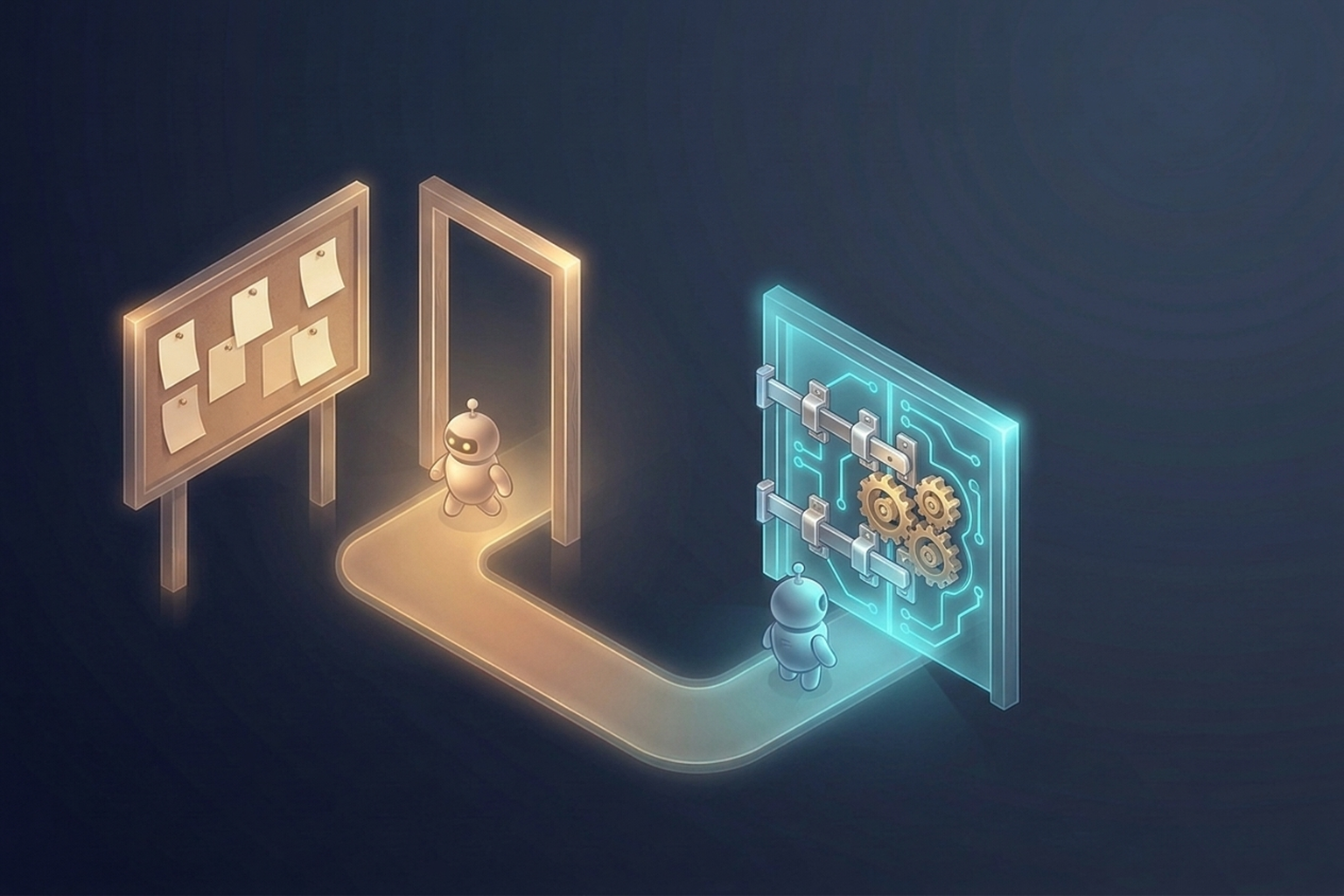
On the left, a bulletin board with paper notes pinned to it stands beside an open doorway that nothing blocks; on the right, the same doorway has metal latches and gears built into its frame that physically stop passage

Rules that don’t get followed#

This blog has quite a few rules for writing. In the Korean original, the first person is written as “필자” (a formal “the author”) rather than the casual “저는” (“I”). External links use an HTML tag that opens a new tab. Measured figures such as visitor counts never go into a public post. When a Korean post changes, its English translation at the same path changes too. When an agent skill is edited, both the Claude Code copy and the Cursor copy are updated together. Every one of these rules is written in a Markdown file, and Claude Code reads that file when a session starts.

Will the Day Come When My Users' Subscriptions Pay for My App's AI? — Sign in with ChatGPT and MCP Events

Will the Day Come When My Users’ Subscriptions Pay for My App’s AI? — Sign in with ChatGPT and MCP Events#

2026-10-11

A narrow doorway in a long wall; a few figures pass through it carrying bright bulbs while a large crowd waits outside holding their own dimmer bulbs, and a thin signal line runs back out from beyond the wall

A Conclusion From Two Months Ago Got Shaken#

In August I wrote an essay titled Why an AI Subscription Is Not a Cheap API. Its conclusion was that the economics of a subscription hold only inside the products the provider allows, and that a third-party business has to be built on the separate economics of the API (Application Programming Interface).

The Two Walls You Hit When You Hand an Agent a Browser

The Two Walls You Hit When You Hand an Agent a Browser#

2026-07-25

Handing an agent a browser

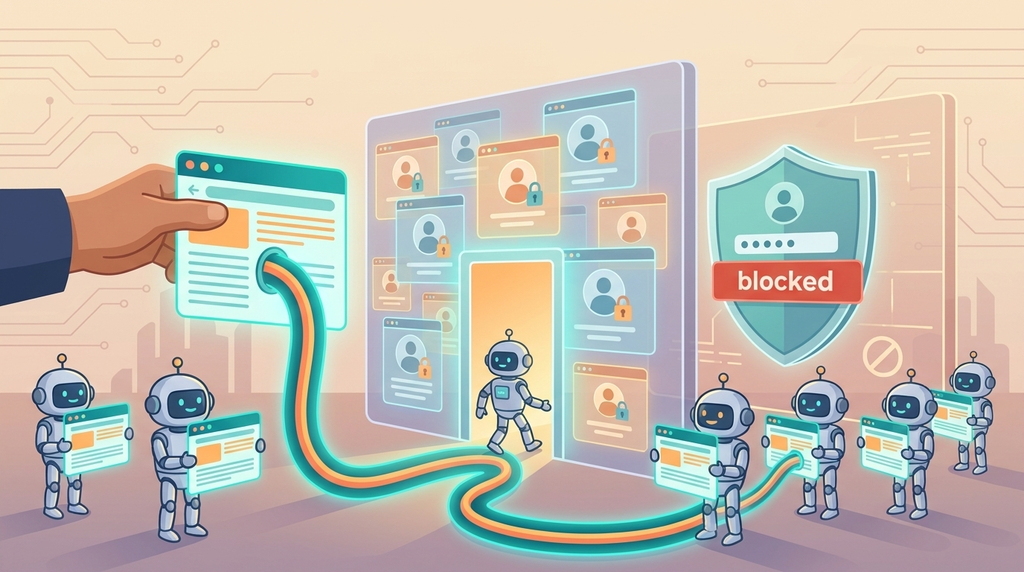
One principle I hold onto when delegating work to coding agents: if the agent changed the code, the agent should verify the result itself. For a web project, that means opening a browser and looking at the screen. For this I use MCP (Model Context Protocol, the standard for connecting external tools to agents) servers such as chrome-devtools-mcp and Playwright MCP. The agent launches Chrome, opens pages, clicks around, takes screenshots, and validates its own work.

Context Switching in the Age of AI Agents — When You Become the Scheduler

Context Switching in the Age of AI Agents — When You Become the Scheduler#

2026-07-19

Context switching in the age of AI agents

Now that AI agents carry out the final execution of work, people can run several tasks at once. And yet lately I have been feeling a strange kind of fatigue. Working with two or three agents in parallel, my hands are not particularly busy — but my head keeps spinning without traction. Every time a response notification arrives, I switch straight to that session to check it, and the result is a scattered mind and, if anything, worse overall performance.

© 2026 Ted Kim. All Rights Reserved. | Email Contact