Hunting Down an Active-User Crash — Bots, Illusions, and an Indexing Collapse

Hunting Down an Active-User Crash — Bots, Illusions, and an Indexing Collapse#

2026-07-17
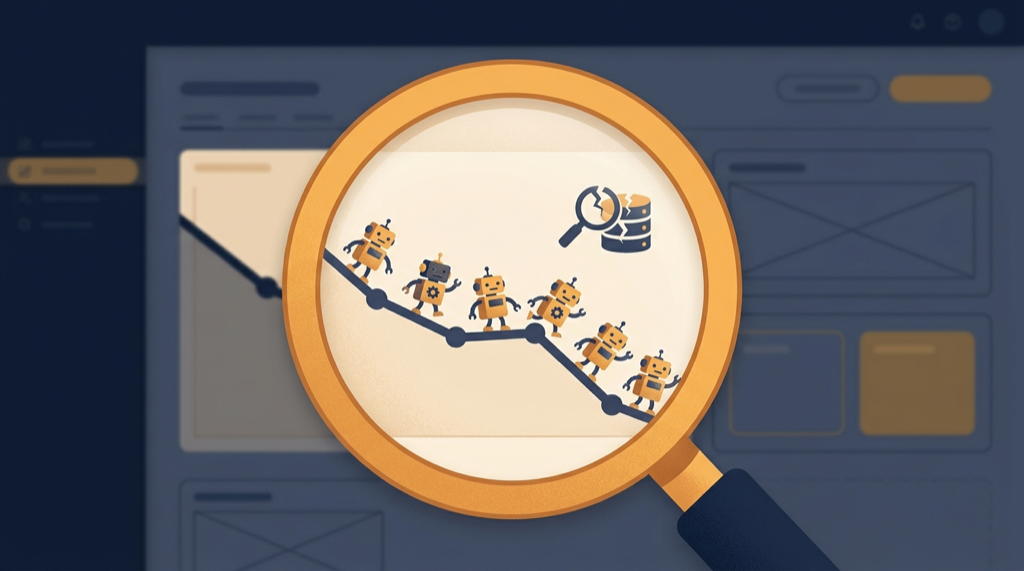
Investigating the active-user crash

The active-user graph in GA (Google Analytics) was falling fast. Few charts sink a blogger’s heart quite like that one. Were readers leaving? Had the domain migration gone wrong? Was something broken in the setup? I handed the whole investigation over to Claude Code, and the results were quite different from what I expected. Most of the crash turned out to be an illusion — while the real problem was quietly unfolding somewhere else entirely.
Why Do Coding Agents All Design Alike? — Research and Decisions Behind Choosing a Design Stack

Why Do Coding Agents All Design Alike? — Research and Decisions Behind Choosing a Design Stack#

2026-07-03

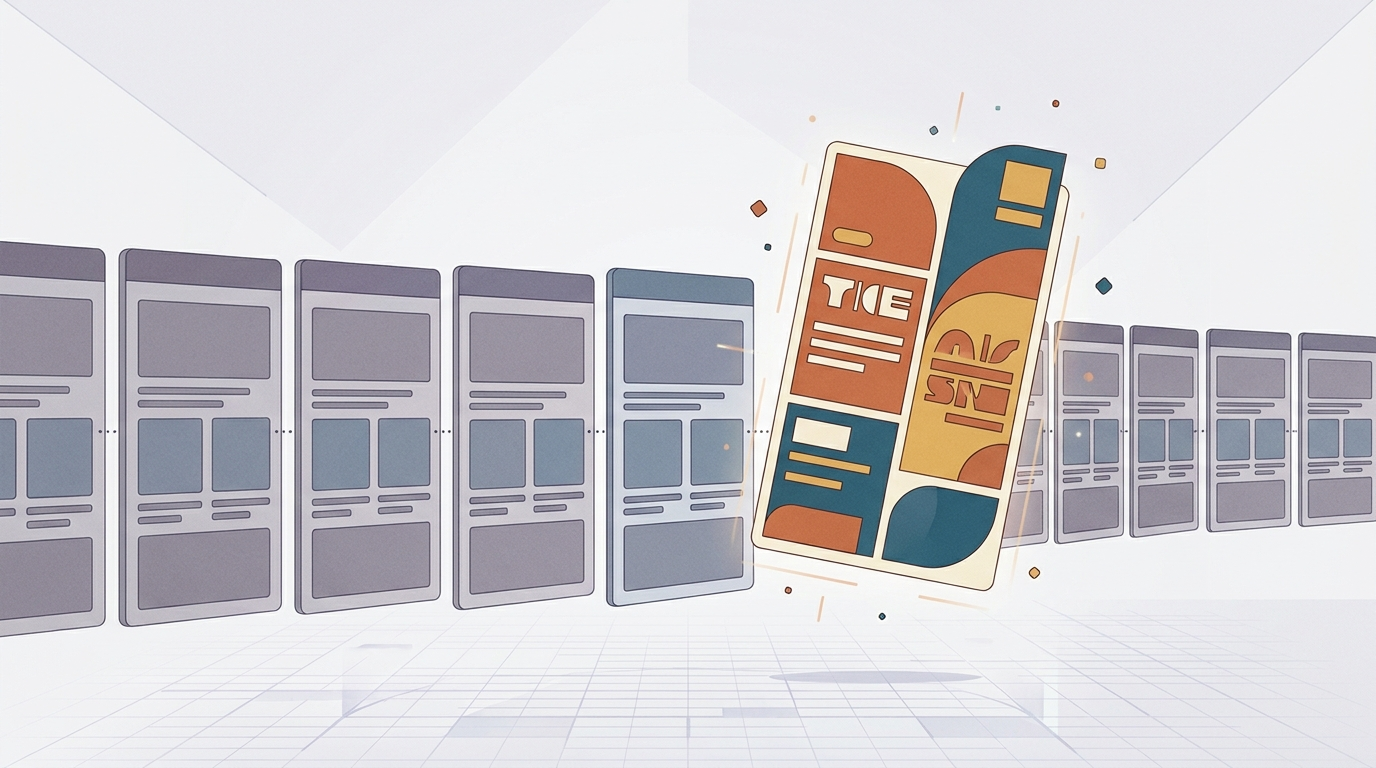
Coding agent design stack

Ask a coding agent like Claude Code to design a web service and you get a reasonably decent result. Yet something feels off. The designs look vaguely familiar, similar to one another, and slightly unpolished in the details. While producing design drafts for an ongoing project, I went looking for ways to fix this, surveyed the available skills, MCP servers, and harness guidelines one by one, and settled on a final design stack. This essay documents that research and the decisions behind it.

LLM Wiki, Opened Up — The 'Automatic Memory' Myth and a Schema That's Just a Few Lines

LLM Wiki, Opened Up — The ‘Automatic Memory’ Myth and a Schema That’s Just a Few Lines#

2026-06-28

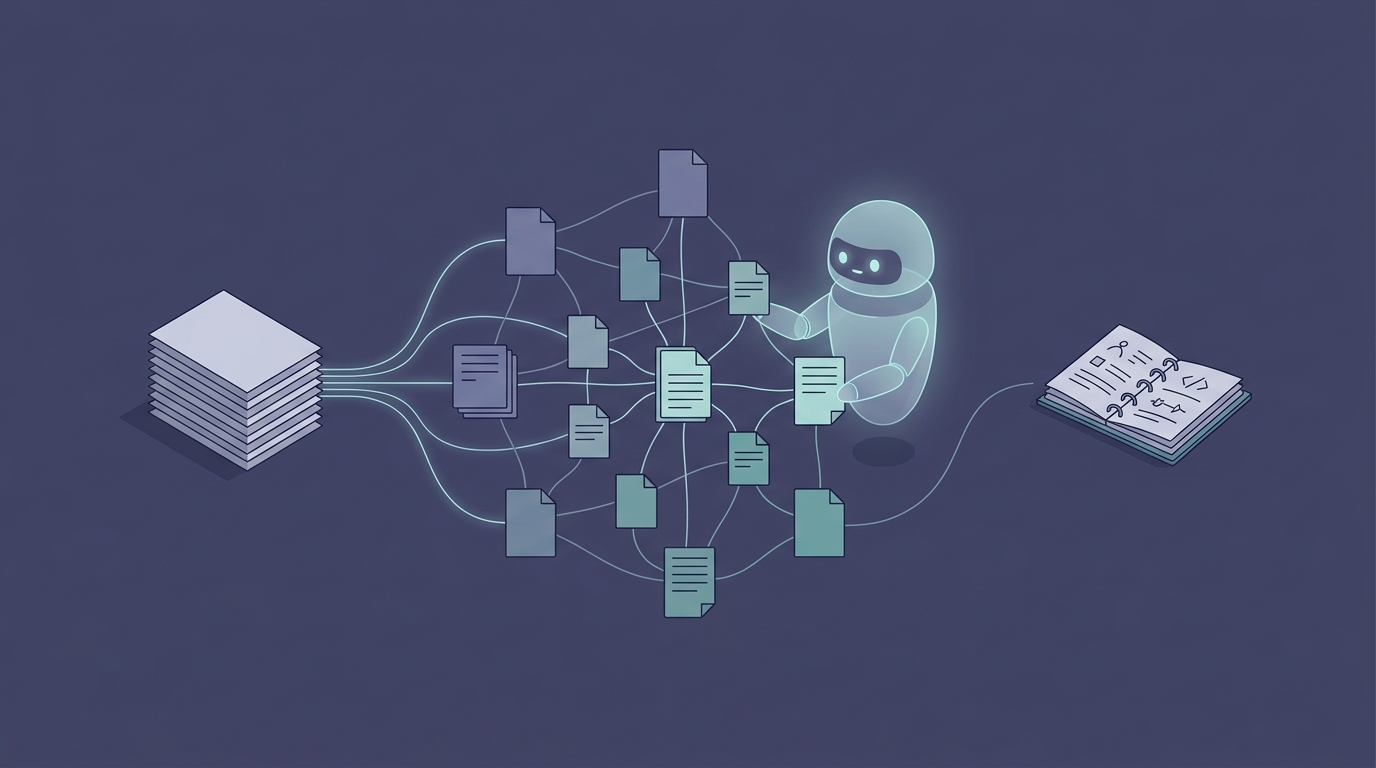
Opening up LLM Wiki and applying it to my repository

In my previous post, I Decided to Call Them Harness Skills, I resolved to open the door I’d kept shut and examine external, battle-tested patterns one by one. I wrote that I’d start absorbing the least invasive ones first. The very first target was LLM Wiki. This post is the actual follow-through on that resolution. I applied something I only knew conceptually to a real repository, and in the process I corrected two misconceptions.

What Do Feature Flags Actually Solve? Single-Branch Collaboration and the Myth of Google-Style Trunk Development

What Do Feature Flags Actually Solve? Single-Branch Collaboration and the Myth of Google-Style Trunk Development#

2026-06-28

Single-branch collaboration and feature flags

We once ran an experiment on one of our company’s web service repositories. Instead of the traditional process where each collaborator creates a working branch and opens a PR (Pull Request, the unit by which a change is reviewed before being merged into the main branch), everyone pushed directly to the default branch (develop).

An AI Tools Knowledge Map — Lining Up the Materials for Process-Improvement Consulting

An AI Tools Knowledge Map — Lining Up the Materials for Process-Improvement Consulting#

2026-06-14

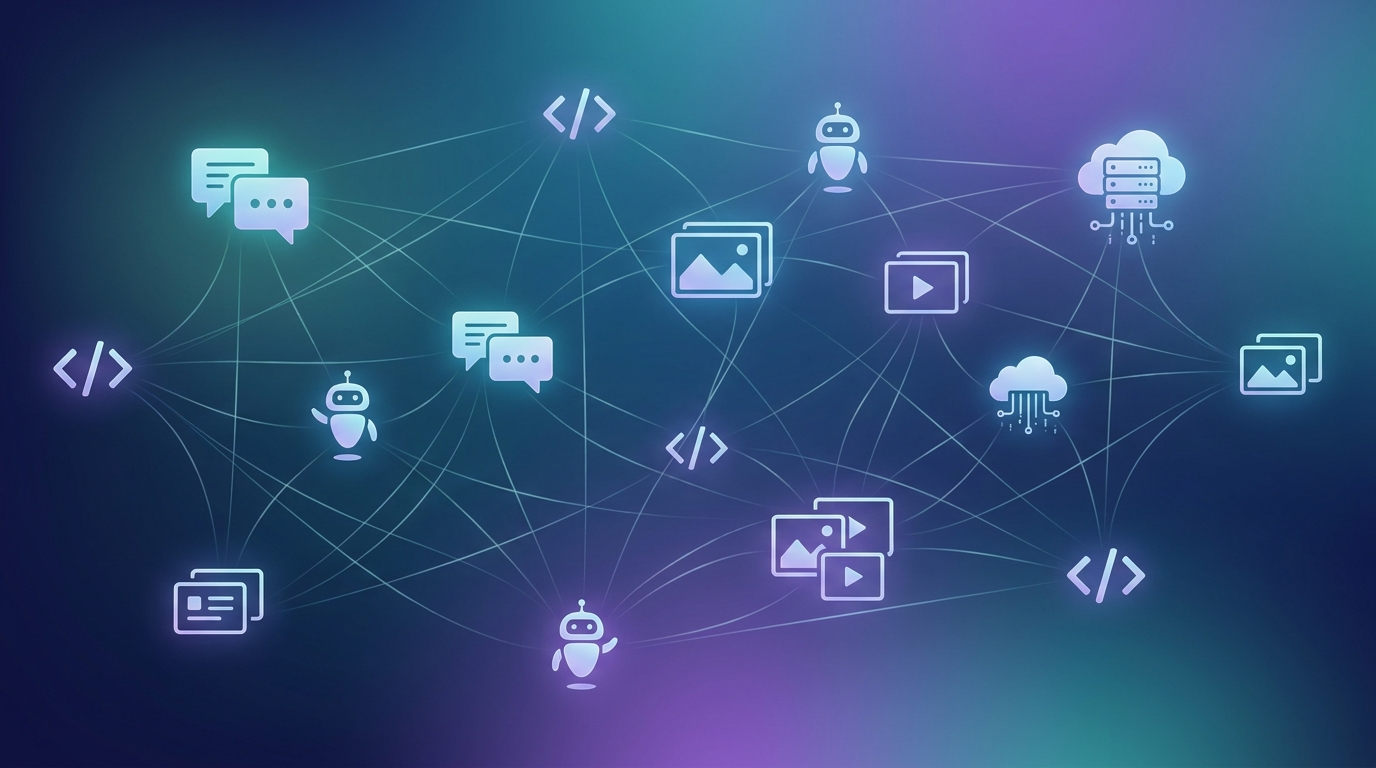
AI tools knowledge map — a map of tools connected by category

Introduction#

For a while now, the author has felt a vague thirst. New AI tools pour out every week, yet I have not been able to lay out, on a single page in my head, “what tools exist, what each one is, and when and in what combination they are best used.” I use individual tools, but I had never placed them on a map and looked at them together.

I Decided to Call Them Harness Skills — Breaking the Illusion of Doing Well and Opening Up My Harness

I Decided to Call Them Harness Skills — Breaking the Illusion of Doing Well and Opening Up My Harness#

2026-06-08

Harness Skills — selectively absorbing external skills into your own harness

Facing Things Without a Name#

When I first saw something called LLM Wiki, and then GStack, the first thing that came to mind was surprisingly: “What should I even call these?”

It was clear that both were means for handling AI agents better. From the perspective of harness engineering — the discipline of designing infrastructure to operate AI agents safely and reliably, which I covered in an earlier piece — these were obviously “tools you reach for when building a harness.”

How Product Development Processes Should Change in the Age of AI Agents

How Product Development Processes Should Change in the Age of AI Agents#

2026-05-10

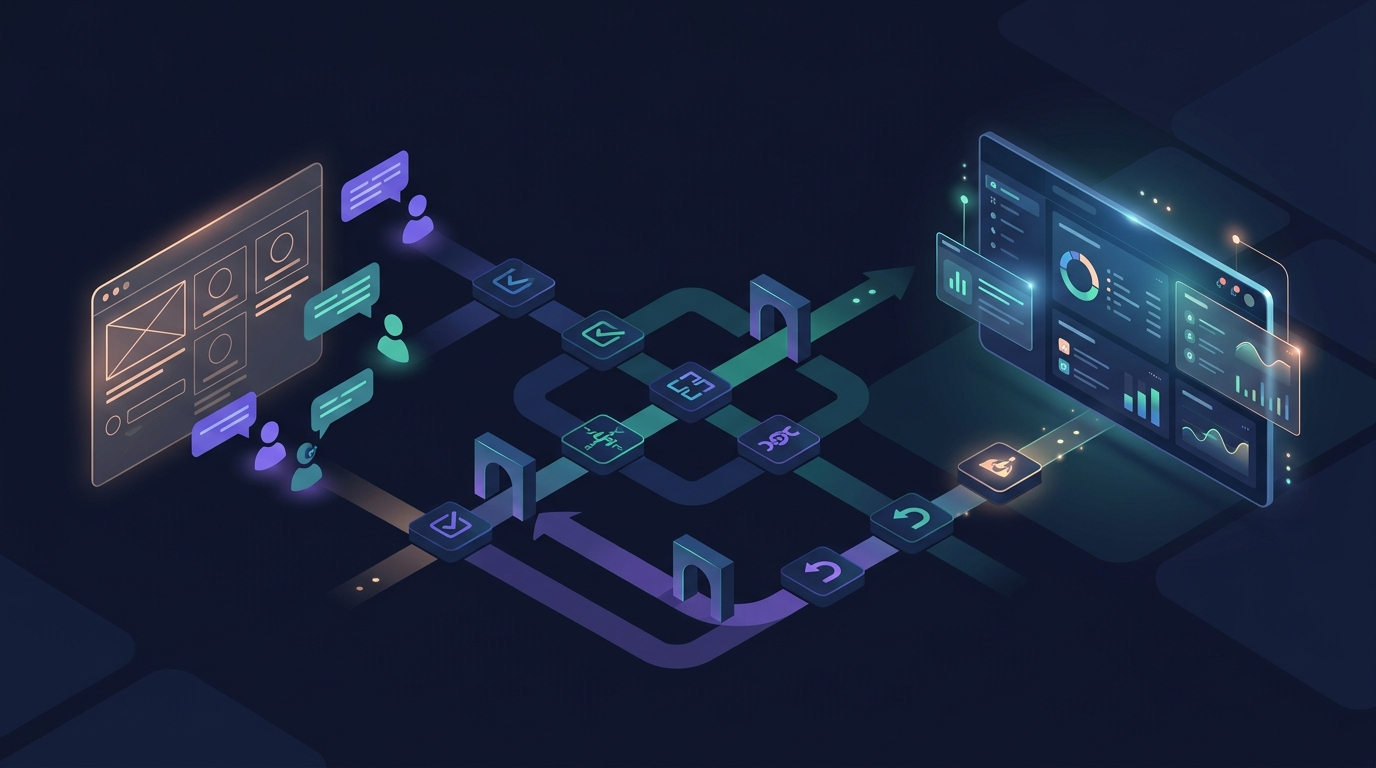
Product development with AI agents and harnesses

Work processes inside companies are changing quickly as AI agents enter daily operations. The company I work at is a technology-driven advertising operations company, broadly divided into an advertising operations organization and a product development organization.

The advertising operations organization manages advertising campaigns on behalf of clients. Recently, this group moved toward a GitHub-based workflow where advertising guidelines, skills, and brand data are organized as projects, and operators work conversationally with AI agents such as Claude Code or Hermes. This transition was accepted relatively naturally.

Hermes Agent — Is It the Luxury Brand of AI Agents? A First Impression

Hermes Agent — Is It the Luxury Brand of AI Agents? A First Impression#

2026-04-19

Hermes Agent — Is it the luxury brand of AI agents?

Introduction#

Lately I’ve been hearing a lot about Hermes Agent. The most compelling example came directly from a teammate. They told me they had already connected Hermes to our company Slack and built an environment where the team could handle data lookups, task requests, and Q&A with a simple @Hermes message. That was enough to make me want to understand it properly, so I spent a single day doing all three of the following:

In the AI Era, How Will Work Be Divided Again?

In the AI Era, How Will Work Be Divided Again?#

2026-04-12

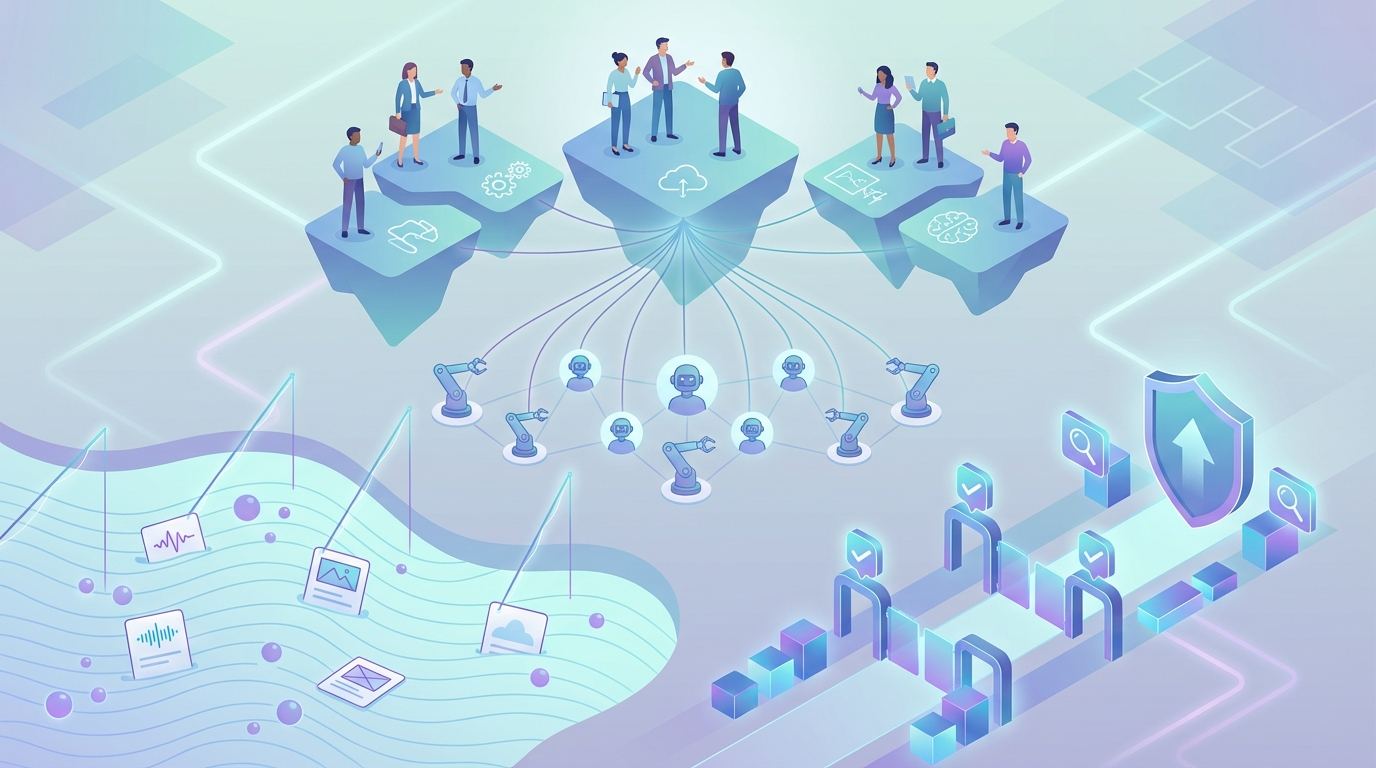
How organizations change in the AI era

The boundaries between roles inside companies are getting blurry very quickly. In the past, planners planned, designers designed screens, and developers wrote code. The roles were not perfect, but they were relatively clear. Now AI tools and agent-based workflows are making it common for one person to take on work that used to be split across several roles.

Where Should You Use Codex? A Guide to CLI, App, Cursor, and Claude Code

Where Should You Use Codex? A Guide to CLI, App, Cursor, and Claude Code#

2026-04-12

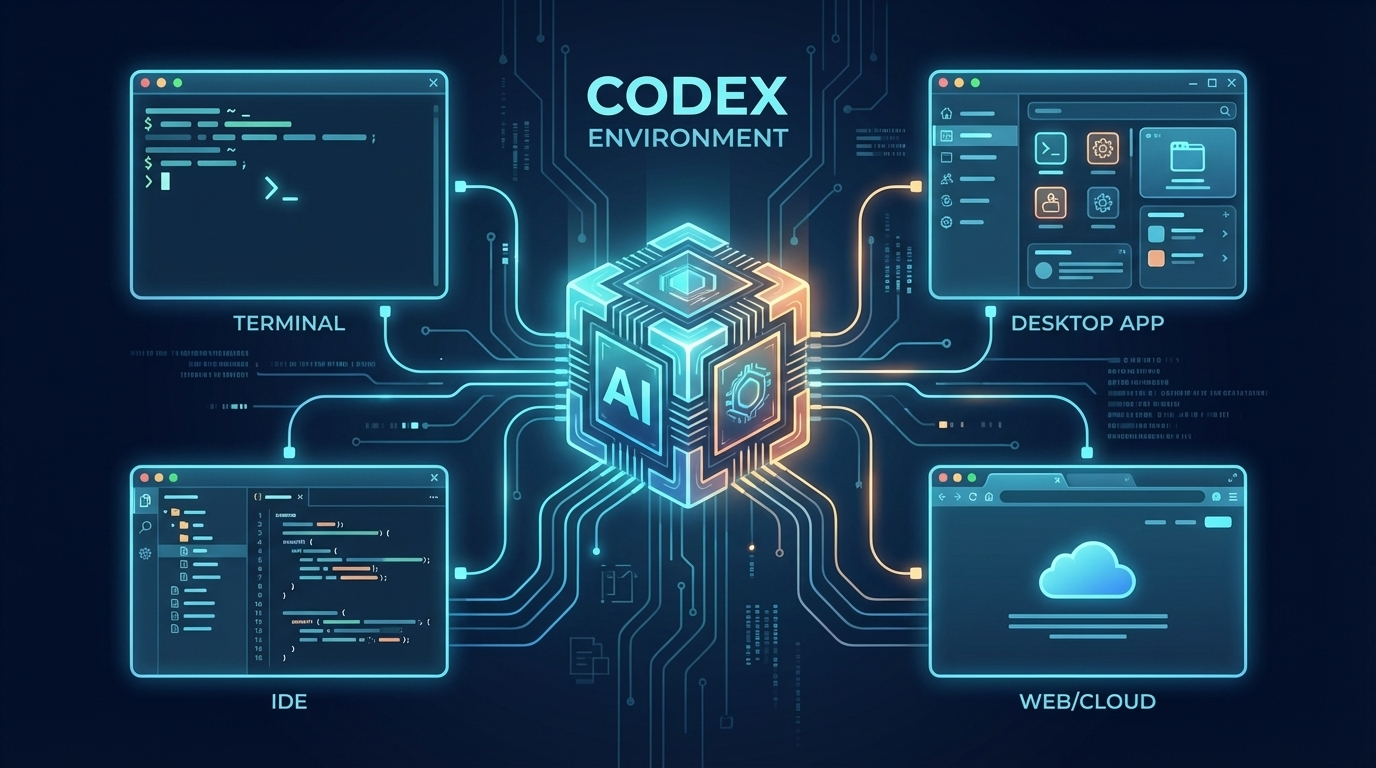
Codex environment guide cover

These days, a lot of people are saying good things about Codex. But the moment you try to actually use it, things get confusing.

  • Should you use Codex CLI?
  • Is there a separate Codex App?
  • Should you install the Codex extension inside Cursor?
  • Or is it enough to simply choose a Codex model inside Cursor chat?
  • Should you connect it to Claude Code as a plugin?

I had the same questions, so I went through the official documentation and organized what I found. I tried to write this in a way that even beginners, or people who do not usually work with coding tools, can follow comfortably.

© 2026 Ted Kim. All Rights Reserved. | Email Contact