I Knew the Harness but Not What Was Inside — Learning How Coding Agents Are Built and How They Run Through OpenCode 2 and Hermes#
2026-10-25
 October 25, 2026
2026-10-25
October 25, 20262026-10-25
Last week, while putting together the AI news brief, I covered two code review stories side by side. One was a post from Anthropic’s Claude Code team about how they redesigned code review in their own repository, along with the general availability of Claude Code Review, the public version of that reviewer. The other was GitHub adding several security mechanisms to the PR (pull request, a request to merge a code change) process.
October 18, 20262026-10-18
On October 9, 2026, Michael Lynch published “Why are coding agents so dumb?” His point is that models have improved enormously, while the agents wrapped around them have barely changed since February 2025. When I covered the post in the October 11, 2026 AI news brief, I wrote that most of its complaints apply to my own setup too.
October 11, 20262026-10-11
On September 29, 2026, OpenAI announced two products at DevDay. One is dots, always-on agents that each have their own cloud computer. The other is ChatGPT Space, a shared team workspace where people, ChatGPT, Codex, and dots edit the same documents together.
June 1, 20262026-06-01
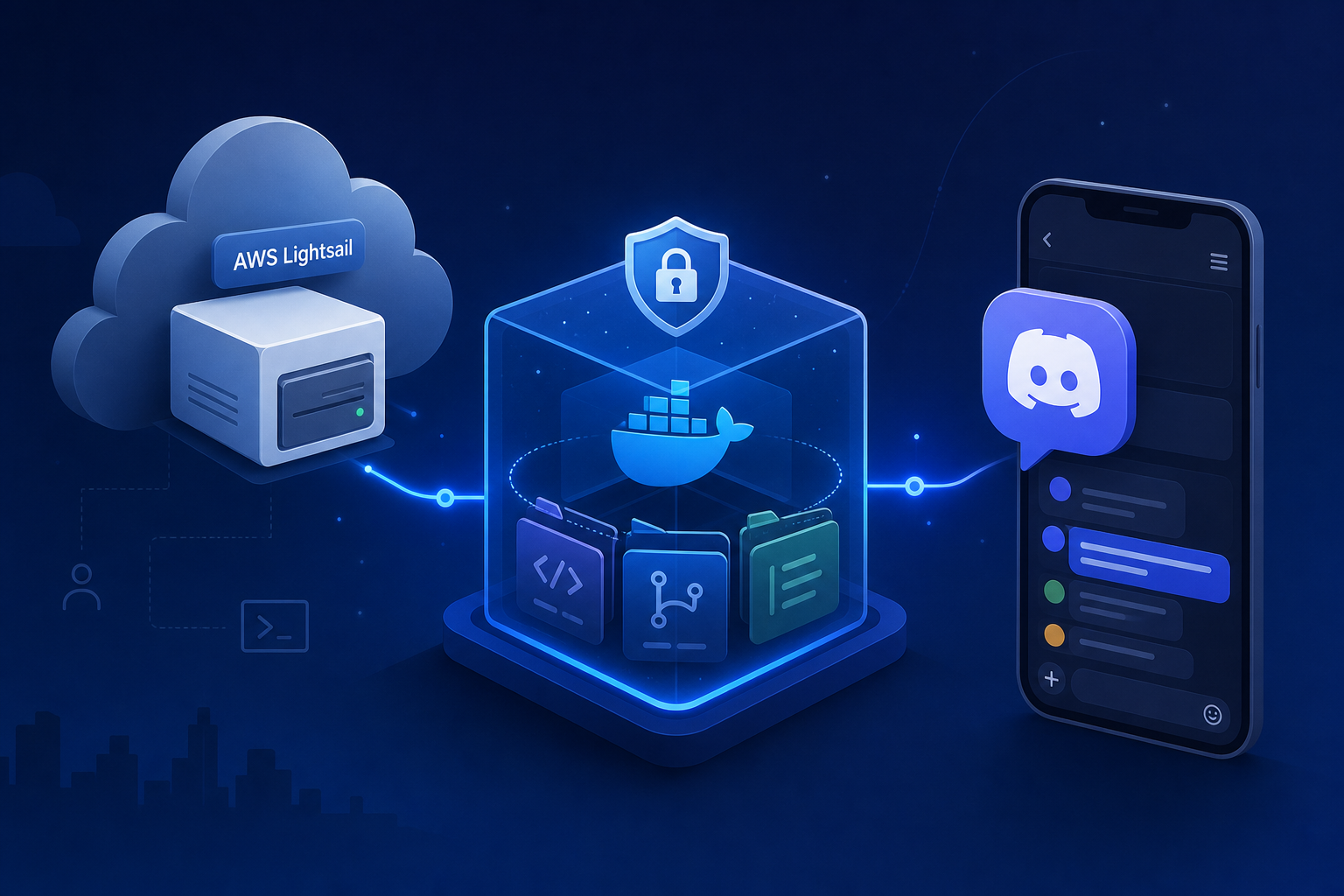
For a while, I used Hermes Agent installed directly on my local laptop. The experience was fast and intuitive: open a repository, edit files, run tests, and keep the agent close to the development environment.
April 19, 20262026-04-19

Lately I’ve been hearing a lot about Hermes Agent. The most compelling example came directly from a teammate. They told me they had already connected Hermes to our company Slack and built an environment where the team could handle data lookups, task requests, and Q&A with a simple @Hermes message. That was enough to make me want to understand it properly, so I spent a single day doing all three of the following: