Introduction: The Age of One-Person Startups Powered by AI

Introduction: The Age of One-Person Startups Powered by AI#

A founder working alone, surrounded by orbiting tool agents

AI Went from a Conversation Tool to “Something That Finishes the Work”#

The progress of artificial intelligence (AI) technology has been nothing short of dazzling. The AI field, which had stagnated until the early 2000s, finally broke through around 2006 when deep learning research opened a path forward, and in 2016 it captured the world’s attention when Lee Sedol, a 9-dan Go professional, was defeated by AlphaGo. Then, in November 2022, OpenAI released ChatGPT, and AI went from a technology confined to research labs to a tool that anyone uses every day.


Research for One-Person Startups Using AI

Research for One-Person Startups Using AI#

Finding AI Business Strategies You Can Execute Alone#


Research for One-Person Startups Using AI Book Cover


How This Book Is Organized#

This book has six parts. Parts 1 through 3 are the Foundations, which lay out the concepts and tools you need to know to work with AI. Parts 4 through 6 are the Execution section, which follows the process of building, operating, and promoting a product on your own. If you already use AI in your daily work, feel free to skip the Foundations and start from Part 4.

Books

Books#

Books

I’ve wanted to write a book for a long time. The question was always: how.

Publishing a printed book usually means working with a publisher, paying significant costs, and going through a long production and distribution process—so the barrier to entry feels high. Even with ebooks, meaningful exposure often requires partnering with a publisher or building your own distribution channels. There are platforms where you can publish an ebook without a publisher (for example, Google Books), but for me they still feel less accessible and harder to get discovered on.

Execution (1): Ideas and Assets

Execution (1): Ideas and Assets#

A person in a warehouse lined with glowing boxes, choosing which one to open first

This is where the Execution section begins. It follows, in order, the process of building, running, and promoting a product on your own. The first step is “what to build,” and this chapter is about how to answer that question.

Why now is a good time for individuals#

Every time a new technology has emerged, new opportunities have opened up. With the spread of the internet, the arrival of the smartphone, and the rise of Bitcoin, each period of change reshaped the industrial landscape and produced new leaders. Now it is the era of AI. Many opportunities are open, and I think this is a better time than ever for an individual to take a shot.

Execution (2): Building a Product with Agents

Execution (2): Building a Product with Agents#

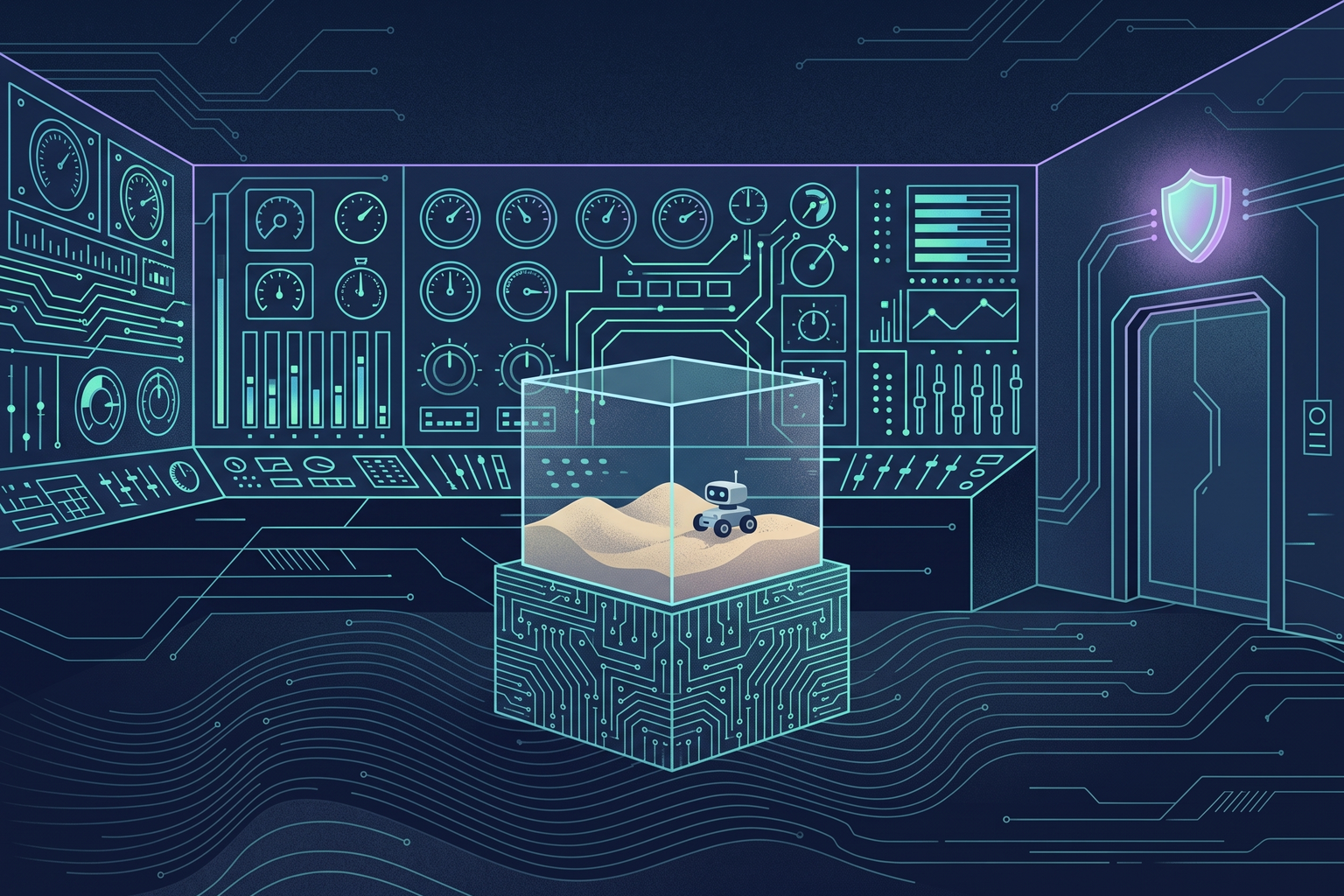
Small robots passing a product box along a conveyor through design, assembly, inspection, and approval stages, with one person watching a control panel at the end

Once you have chosen an idea, it is time to build. This chapter covers the process of building a product alone with coding agents. It is not about which language or framework to use. It is about where a person should stand in an era when agents write the code, what to leave behind and what to review, and what you should not build yourself. It draws on the debates I went through while reworking the development process at my company, and on the decisions I made in my own personal projects.

Execution (3): Adding AI Features to Your Product

Execution (3): Adding AI Features to Your Product#

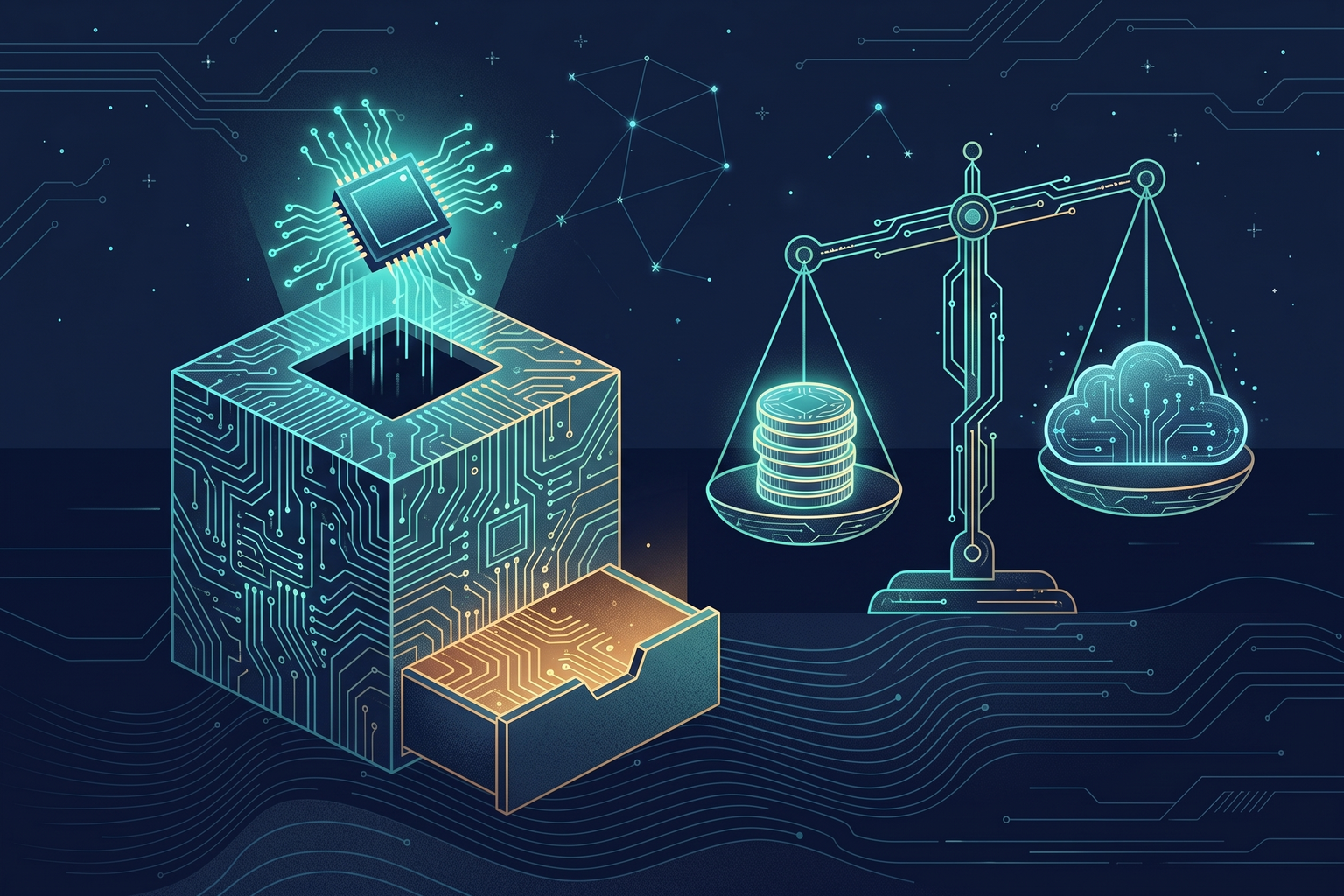
A chip floating above an open product box, a scale weighing coins against a cloud, and a warmly glowing cache drawer

If the previous chapter was about “building a product with agents,” this chapter is about “putting AI inside the product.” They are different problems. The former is about the tools I use; the latter is about the structure and cost of my product calling a model on behalf of its users. In a one-person startup, mixing the two breaks your cost structure, and separating them simplifies your design.